GLP-1 Prices Just Collapsed. Here is What You Will Actually Pay in 2026.

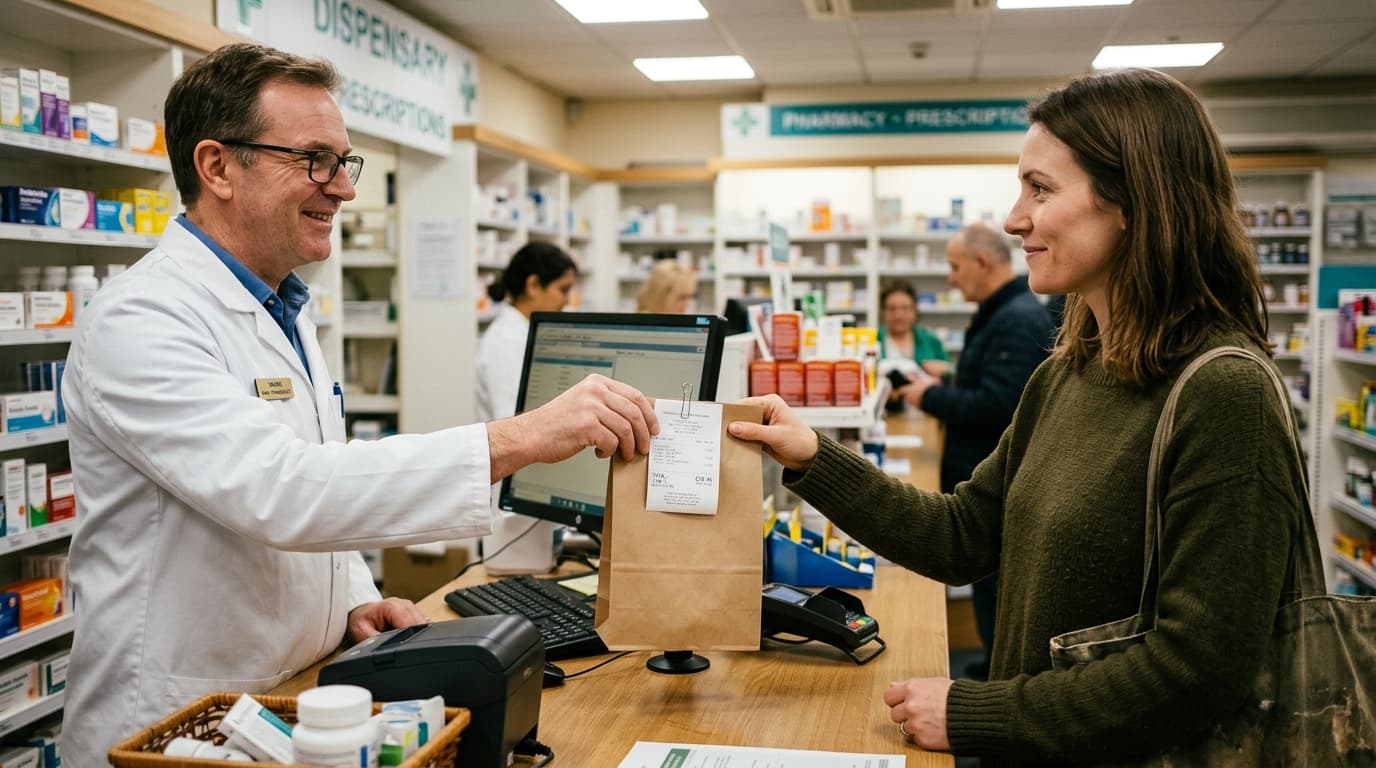
GLP-1 list prices fell 50% in 12 months. Oral Wegovy launched at $675/month vs $1,349 injection. Foundayo entered at $149/month. Indian generics hit $14/month. Here is the full 2026 cost landscape and what each path actually costs you.
GLP-1 Price Drops 2026: $675/Month and What's Coming Next
For millions of people, the GLP-1 conversation has never been about whether these medications work. The science is clear. The conversation has been about whether they can afford them.
That's finally starting to change. Not because pharmaceutical companies had a change of heart, but because market forces — competition, generics, political pressure, and sheer patient demand — are bending the price curve downward for the first time since these drugs hit the market.
Here's where things stand in 2026, and where they're headed.
The Current Price Landscape
Let's start with the numbers that matter to someone standing at a pharmacy counter.
Brand-Name Injections
| Medication | Manufacturer | List Price (Monthly) | Notes |
|---|---|---|---|
| Ozempic (semaglutide) | Novo Nordisk | ~$935 | Approved for type 2 diabetes; widely used off-label for weight loss |
| Wegovy (semaglutide injection) | Novo Nordisk | ~$1,349 | Approved for chronic weight management |
| Mounjaro (tirzepatide) | Eli Lilly | ~$1,023 | Approved for type 2 diabetes |
| Zepbound (tirzepatide) | Eli Lilly | ~$1,059 | Approved for chronic weight management |
These are list prices before insurance, coupons, or manufacturer savings programs. What you actually pay depends on your insurance plan, deductible status, and whether you qualify for assistance programs. Our cost breakdown guide walks through the practical strategies for reducing out-of-pocket expense.
The $675 Oral Option
When Novo Nordisk launched oral Wegovy in early 2026 at $675 per month, it represented the first meaningful price reduction from a brand-name manufacturer. At roughly half the cost of the injectable version, it immediately expanded access for patients paying out of pocket or navigating high-deductible insurance plans.
The Washington Post noted that Novo Nordisk's pricing decision was strategic — they needed to undercut compounding pharmacies and establish the oral form before competitors entered the space. The result is a list price that, while still substantial, acknowledges that $1,349 was a barrier too many patients couldn't clear.
For people weighing the oral option against injections, the price difference is now a significant factor. Same drug, comparable weight loss, half the cost. We covered the full pill-vs-injection comparison in our oral GLP-1 guide.
Generic Semaglutide: The $14 Question
Perhaps the most dramatic development in 2026 is the emergence of generic semaglutide from international manufacturers. Indian pharmaceutical companies — which supply a large portion of the world's generic medications — began producing semaglutide at prices as low as $14 per month.
To be clear about what this is and isn't:
What it is: Legitimate generic semaglutide manufactured by established pharmaceutical companies in countries where Novo Nordisk's patent protections don't apply or have expired. India, in particular, doesn't recognize the same pharmaceutical patent framework as the US and EU, allowing domestic manufacturers to produce bioequivalent versions.
What it isn't: FDA-approved for sale in the United States. Americans cannot legally purchase these generics domestically, though some patients access them through international pharmacy services, medical tourism, or personal importation — all of which carry varying levels of legal and safety risk.
The Food Institute reported that the global availability of $14 semaglutide is putting unprecedented pressure on Novo Nordisk and Eli Lilly to justify US pricing. When the same molecule costs 1% of the US price in another country, the pricing conversation becomes politically untenable — especially for medications treating a condition that affects over 40% of American adults.
For context on how to verify the safety and legitimacy of any GLP-1 source, see our generic GLP-1 access guide.
Medicare and the BALANCE Model
The political dimension of GLP-1 pricing intensified in 2026. With obesity affecting an estimated 42% of American adults and Medicare covering over 65 million beneficiaries, the question of whether and how Medicare should cover GLP-1 medications for weight loss has become a major policy debate.
The BALANCE model — a proposed Medicare framework that would negotiate bulk pricing for GLP-1 medications — gained traction in congressional discussions in early 2026. Under this model, Medicare would leverage its purchasing power to negotiate prices significantly below list, potentially bringing the per-patient cost to the $200-400/month range.
This hasn't happened yet. Medicare currently covers GLP-1 medications only for their diabetes indications (Ozempic, Mounjaro), not for weight loss (Wegovy, Zepbound). The Treat and Reduce Obesity Act, which would expand Medicare coverage to include FDA-approved anti-obesity medications, has been introduced in multiple congressional sessions but has not passed.
The math is daunting. The Congressional Budget Office estimated that covering GLP-1s for weight loss under Medicare could cost $35-50 billion per year — a figure that makes legislators hesitate, even as the long-term savings from reduced obesity-related healthcare costs (diabetes, cardiovascular disease, joint replacement) could dwarf that investment.
Competition Is the Real Price Driver
While policy moves slowly, market competition moves faster. And 2026 is the year the GLP-1 market becomes truly competitive.
Eli Lilly's Orforglipron
Lilly's oral GLP-1 candidate doesn't require the empty-stomach fasting protocol that oral Wegovy demands. If approved — potentially as early as 2027 — it would give patients a second oral option and create direct price competition with Novo Nordisk's oral Wegovy. Lilly has signaled that pricing will be "competitive," which in pharmaceutical terms means they intend to undercut Novo Nordisk.
Higher Doses
Novo Nordisk's Wegovy HD (7.2mg) — a higher-dose injectable — was approved for patients who plateau on the standard 2.4mg dose. This creates a premium tier but also extends the value proposition: rather than switching medications, patients can escalate within the same drug.
Compounding Pharmacies Under Pressure
For several years, compounding pharmacies filled the affordability gap by producing custom semaglutide preparations at a fraction of brand-name cost. The FDA's 2025 enforcement actions reduced the availability of compounded semaglutide, but the demand they served didn't disappear. Novo Nordisk's $675 oral pricing is partly a response to the compounding market — if the brand-name option is closer to affordable, the regulatory risk of compounded alternatives becomes harder to justify for patients.
What This Means in Practice
If you're paying out of pocket today, the landscape is better than it was a year ago and likely to improve further. Here's how to think about it:
If you have commercial insurance: Check whether your plan covers the oral formulation. Some insurers added oral Wegovy to formularies quickly because the lower list price reduces their cost too. Step therapy requirements (try lifestyle changes first, then metformin, then GLP-1) still apply for many plans.
If you're on Medicare: Coverage currently applies only to the diabetes indications. If you have type 2 diabetes, Ozempic and Mounjaro may be partially covered. The weight-loss indications remain out of pocket for Medicare beneficiaries in most cases.
If you're paying cash: The oral form at $675 is the most accessible brand-name option. Manufacturer savings programs (like Novo Nordisk's savings card) can reduce costs further for eligible patients, sometimes to as low as $0-25 per month for commercially insured patients.
Use our Cost Calculator to model your specific situation — including insurance type, deductible status, and which formulations are available to you.
Where Prices Are Headed
No one can predict exact timelines, but the direction is clear. Prices are coming down, driven by:
- Oral competition — multiple oral GLP-1 options by 2027-2028
- International generic pressure — $14 semaglutide makes current US pricing politically unsustainable
- Medicare negotiation potential — if the Inflation Reduction Act's drug price negotiation provisions extend to GLP-1s
- Manufacturing scale — as production capacity catches up to demand, per-unit costs decrease
- Biosimilar timeline — the first US-approved semaglutide biosimilars could arrive in the early 2030s, depending on patent litigation outcomes
The era of $1,349/month as the only option is already over. The question is how quickly the market moves from "less expensive" to "broadly affordable." For a condition affecting over 100 million Americans, the answer to that question is one of the most consequential in modern healthcare.
Key Takeaways
- Oral Wegovy at $675/month is the first meaningful brand-name price reduction — roughly half the injectable cost, though still substantial for out-of-pocket patients
- Generic semaglutide at $14/month exists internationally but is not FDA-approved for US sale; it's putting massive pressure on US pricing
- Medicare does not currently cover GLP-1s for weight loss — the BALANCE model and Treat and Reduce Obesity Act could change this, but neither has passed yet
- Competition from Eli Lilly's orforglipron (expected 2027) will create the first true oral market rivalry and likely drive further price reductions
- Use manufacturer savings programs and insurance advocacy as immediate strategies — our Cost Calculator can help model your options
Drug prices are a moving target, and what's true today may shift within months. We track pricing changes, insurance policy updates, and new formulation launches in our weekly newsletter — so you have accurate information when you need to make decisions. And if you're already on the journey and want a companion that helps the medication work through lasting habits and identity change, join the Gila pilot.
Sources:
- Washington Post. "GLP-1 drug prices face pressure from all sides." March 2026.
- NBC News. "Oral Wegovy launch at $675 reshapes weight-loss drug pricing." March 2026.
- Food Institute. "Global generic semaglutide production and US pricing implications." 2026.
- Congressional Budget Office. Medicare GLP-1 coverage cost estimates. 2025-2026.
- Novo Nordisk. Oral Wegovy pricing and access information. 2026.
Related Articles

Traveling with GLP-1: Pens, Flights and Your Routine
A trip changes where your GLP-1 pen lives and what your day looks like. This piece sets out what each US label says about keeping pens cold, how TSA, UK and CDC guidance handle medication in transit, why travel loosens routines, and how to rebuild yours in the first three days home.
Read more →
Eating Out on GLP-1: Restaurants and Social Meals
A smaller appetite meets big restaurant portions and a table of people who love you. This piece covers why eating with friends pulls harder, how to decide before you go, how to order down or share, and short lines for when someone offers just one more.
Read more →
GLP-1 Hydration: Why Drinking Enough Gets Harder
On GLP-1 treatment, fluids can slip two ways: a smaller appetite means less water from food, and nausea, vomiting or diarrhea take fluid out. This piece quotes what the US and EU labels say about dehydration, gives EFSA's general adult reference, and sets out simple if-then routines to keep drinking.
Read more →Ready to start your GLP-1 journey?
Gila helps you build lasting habits, understand your body, and stay on track. Join the pilot for free.
Join the Pilot