Oral GLP-1 Pills Are Here: What You Need to Know

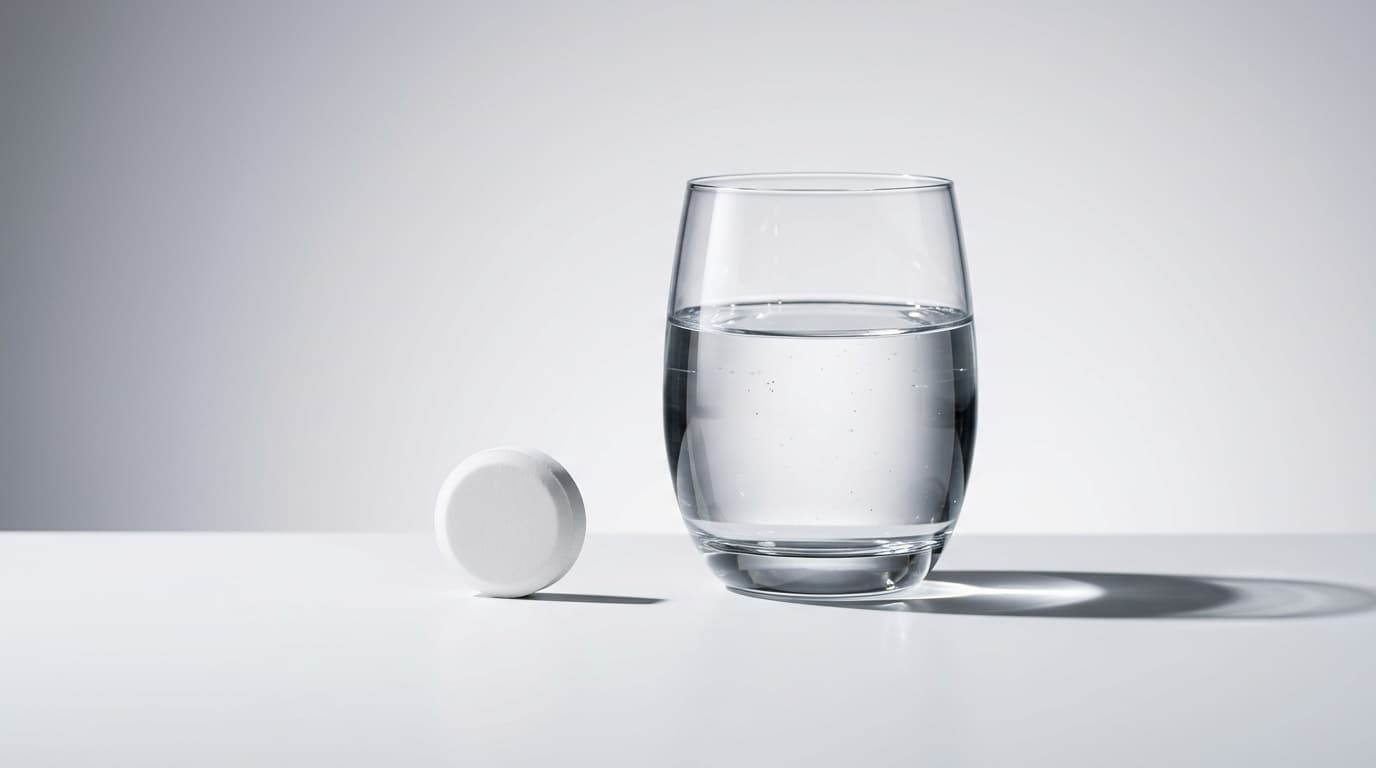
FDA approved the first oral GLP-1 pill for weight loss. Compare pills vs injections — efficacy, convenience, cost, and who they work best for.
For years, the only way to take a GLP-1 medication for weight management meant a weekly injection. That changed in late December 2025, when the FDA approved oral semaglutide (marketed as Wegovy in pill form) for chronic weight management. Within ten weeks of launch, an estimated 400,000 Americans had added it to their daily routine.
If you have been watching the GLP-1 space, this is a moment worth understanding clearly. Not because a pill is inherently better than an injection, but because more options mean more people can find a path that works for their body and their life.
What Was Actually Approved
On December 22, 2025, the FDA approved a daily oral formulation of semaglutide 50mg for adults with obesity (BMI of 30 or greater) or overweight (BMI of 27 or greater) with at least one weight-related condition. The active ingredient is the same as injectable Wegovy and Ozempic: semaglutide, a GLP-1 receptor agonist that reduces appetite and slows gastric emptying.
The pill uses an absorption enhancer called SNAC (sodium N-[8-(2-hydroxybenzoyl) amino] caprylate) that helps the medication survive your stomach acid and reach your bloodstream. This is the same technology used in Rybelsus, the oral semaglutide already approved for type 2 diabetes, but at a significantly higher dose.
A key distinction: Rybelsus maxes out at 14mg daily for diabetes management. The weight-loss formulation goes up to 50mg daily, a dose that required its own clinical trial program to establish safety and efficacy for this purpose.
What the Clinical Data Shows
The OASIS 1 trial, published in The Lancet (2023), evaluated oral semaglutide 50mg in adults with obesity but without diabetes. At 68 weeks, participants lost an average of 15.1% of their body weight, compared to 2.4% in the placebo group.
For context, injectable semaglutide 2.4mg (the standard Wegovy dose) produced about 14.9% weight loss in the STEP 1 trial over a similar timeframe. The oral formulation performed comparably, and in some analyses slightly better, than its injectable counterpart.
The OASIS 2 trial studied the same oral dose in adults with type 2 diabetes. Participants lost an average of 13.7% of body weight and saw significant improvements in blood sugar control, with 67% achieving an HbA1c below 6.5%.
These are meaningful numbers. They suggest that a daily pill can deliver similar metabolic benefits to a weekly injection, a finding that surprised even some researchers.
Pills vs. Injections: An Honest Comparison
The arrival of an oral option does not mean injections are obsolete. Each form has trade-offs worth considering.
Convenience and Adherence
For people with needle anxiety, needle fatigue after months of weekly shots, or simply a preference for pills, the oral route removes a real barrier. Research consistently shows that medication adherence improves when the delivery method aligns with patient preference. A 2024 survey in Patient Preference and Adherence found that 68% of GLP-1-naive patients preferred a daily pill over a weekly injection when presented with both options.
However, the pill comes with its own set of requirements. You must take it first thing in the morning on an empty stomach, with no more than four ounces of plain water, and then wait at least 30 minutes before eating, drinking, or taking other medications. For some, that daily routine is simpler than remembering a weekly injection. For others, it is more disruptive.
Side Effects
The side-effect profile is similar between oral and injectable forms, with gastrointestinal symptoms being most common. In the OASIS 1 trial, nausea affected approximately 36% of participants on the 50mg oral dose (compared to about 44% in STEP 1 for injections). Constipation, diarrhea, and vomiting were reported at comparable rates.
One difference: because the pill is taken daily rather than weekly, some people report that side effects are milder and more evenly distributed rather than peaking in the 24-48 hours after an injection. Others find that daily exposure means more consistent low-grade nausea. Your experience will be individual.
Titration
Both forms require gradual dose increases. The oral form typically starts at 3mg daily, moves to 7mg, then 14mg, and eventually up to 50mg over several months. This slower titration may mean a longer ramp-up to full therapeutic effect compared to the injection schedule. If you are early in your GLP-1 journey, our dosage and titration guide covers what to expect at each step.
Who Might the Pill Suit Best
Based on the clinical data and early prescribing patterns, oral semaglutide may be particularly well-suited for:
- People with needle anxiety or aversion. This is not a minor consideration. Needle phobia affects an estimated 20-25% of adults and is a documented barrier to starting injectable GLP-1 therapy.
- Those who have been stable on injectable semaglutide and want to transition to an oral form for convenience. Your prescriber can guide the dose equivalency.
- People who travel frequently and find the logistics of storing and carrying injectable pens challenging, particularly across international borders where regulations on injectable medications vary.
- Patients who prefer daily dosing rhythms. Some people find it easier to build a daily medication habit than to remember a weekly one.
Conversely, the pill may be less ideal for people who take multiple morning medications (due to the fasting window requirement), those with known absorption issues, or anyone who finds daily dosing harder to maintain than weekly.
What This Means for Access and Cost
More options tend to increase competition, and competition tends to improve access over time. Novo Nordisk, the manufacturer, has priced the oral form comparably to injectable Wegovy. Insurance coverage is still inconsistent and depends heavily on your plan. Eli Lilly's oral tirzepatide (the pill version of Mounjaro/Zepbound) is also advancing through clinical trials, with potential approval expected in late 2026 or early 2027.
If cost is a factor in your decisions, which it is for many people, our medication cost calculator can help you compare options and estimate your out-of-pocket expenses. You can also read our detailed breakdown of how current GLP-1 medications compare across efficacy, cost, and side-effect profiles.
Key Takeaways
- The FDA approved oral semaglutide 50mg for weight loss in December 2025, making it the first GLP-1 pill for chronic weight management.
- Clinical trials show comparable weight loss to injectable semaglutide: roughly 15% body weight reduction over 68 weeks.
- The pill requires a strict morning fasting routine (30 minutes before food or other medications), which suits some people better than others.
- Side effects are similar to injections, though the daily dosing may distribute them more evenly.
- More oral GLP-1 options are in the pipeline, which should improve competition and access over the coming years.
Staying Informed
The GLP-1 landscape is moving quickly. Our weekly newsletter covers new approvals, clinical data, and practical guidance as they happen, so you can make decisions grounded in evidence rather than headlines.
If you are exploring whether a GLP-1 medication is right for you, Gila can help you track your journey from day one, with tools built for the realities of this path.
Related Articles

Moving Less on GLP-1: The Activity Drop Nobody Warns You About
A 2026 study using Fitbit data found people on GLP-1s moved less, not more — daily steps fell from 5,047 to 4,487. Here's why your body quietly slows down when you eat less, and the gentle way to protect muscle with movement and enough protein.
Read more →
Stopping and Restarting GLP-1 Is Normal — Here's What Holds the Loss
💡 **Your Journey, Your Habits!** New data from ENDO 2026 reveals that stopping and restarting GLP-1 medication is a common chapter for many, not a failure! This isn't about perfection, but about realizing that what truly anchors your weight loss through any pause are the powerful habits you build. So, let's use this window to focus on creating a sustainable foundation that outlasts any prescription!
Read more →
GLP-1 Persistence Statistics 2026: The Start-and-Stop Numbers, Honestly
GLP-1 persistence statistics for 2026, read honestly: how many people stop (about 4 in 10 in year one), how many restart (most of them), why they pause, and the behavior layer that separates regain from kept loss. Every figure linked to a primary source.
Read more →Ready to start your GLP-1 journey?
Gila helps you build lasting habits, understand your body, and stay on track. Join the pilot for free.
Join the Pilot