GLP-1 and Muscle Mass: What the 2025-2026 Research Actually Says

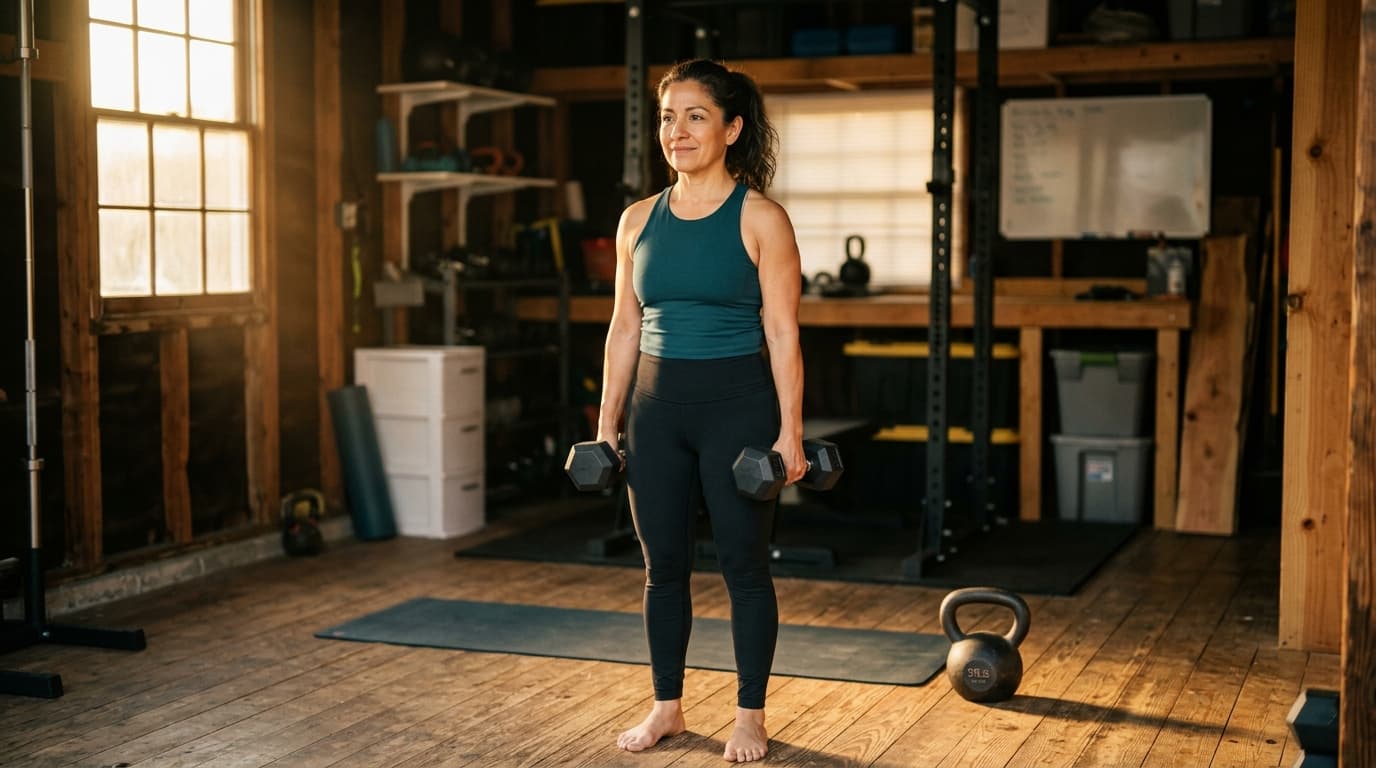
Roughly 30% of the weight lost on GLP-1 therapy is lean tissue, per a nine-trial meta-analysis. And the 2026 bone evidence points both ways at once.
TL;DR: GLP-1 medications cause real lean-mass loss — about 25% of total weight lost on tirzepatide is lean tissue, per the SURMOUNT-1 DXA substudy (Look et al., 2025). Pooling nine placebo-controlled trials, the figure across GLP-1 therapies generally is roughly 30%. New 2026 phenotyping data shows a small difference between tirzepatide and semaglutide users in relative lean mass lost — on the order of 1–2%. That is a research finding, not a basis for choosing between medications; that conversation belongs with your prescriber. Bone is now part of the question, and the 2026 evidence points in two directions at once: measurably lower bone density in trials, but fewer osteoporosis diagnoses and fractures in large real-world cohorts. The first randomized trial of resistance training in GLP-1 patients (LEAN-PREP) won't read out until 2027. Until then, the consensus from the May 2025 ACLM/ASN/OMA/TOS Joint Advisory is what we have to work with: 1.2-1.6 g/kg protein, 2-3 resistance sessions per week, and creatine if you want a supplement with non-GLP-1 evidence behind it.
We covered the basics of muscle preservation on GLP-1 medications in our original guide. That was March 2025. The research has moved since.
This is the 2026 update: what the body composition trials actually showed, why sarcopenic obesity is the signal the field is starting to worry about, and what the practical protocol now looks like with the latest evidence.
The body composition data, sorted
The first thing to get straight: yes, GLP-1 medications cause real lean-mass loss. The fight in the literature is no longer whether, but how much and whether it matters clinically.
Tirzepatide (Mounjaro / Zepbound)
The most-cited number comes from the SURMOUNT-1 DXA substudy (n=160, 72 weeks), published in Diabetes Obesity and Metabolism in February 2025 (DOI: 10.1111/dom.16275):
- Total weight loss: −21.3%
- Fat mass: −33.9%
- Lean mass: −10.9%
- Ratio: ~75% fat / 25% lean
In absolute terms, a 220-pound adult losing 21% of their weight on tirzepatide loses about 47 pounds total — and roughly 12 of those pounds come from lean tissue. That number gets quoted in patient forums as "you lose your muscle." It's not quite right. A meaningful portion of "lean mass" measured on DXA includes the connective tissue, organ glycogen, and intracellular water that should shrink alongside fat tissue. But it's also not nothing — a meaningful fraction is functional skeletal muscle.
Semaglutide (Ozempic / Wegovy)
The canonical reference remains the STEP 1 exploratory body composition analysis (Wilding et al., 2021, PMC8089287):
- Absolute lean mass loss: −9.7%
- Lean-mass proportion of body composition: +3.0 percentage points (the body became leaner overall)
- Lean-to-fat ratio improved by 0.23
That second line matters: even though absolute lean mass dropped, the body's overall composition shifted toward less fat per pound of lean tissue. That's the same pattern observed in intentional weight loss without medication.
The newer SEMALEAN study (n=115 with DXA, 2025, PMID 41068996) found semaglutide users lost ~3 kg of lean mass over the first 7 months — and then stabilized. The trajectory isn't a straight line down; it plateaus.
Retatrutide (next-gen, not yet approved)
Coskun et al., Lancet Diabetes & Endocrinology, June 2025 (DOI: 10.1016/S2213-8587(25)00092-0) reported the Phase 2 retatrutide body composition substudy:
- Fat mass: −26.1% at 36 weeks (8 mg dose)
- Lean-to-weight-loss ratio: "similar to other obesity treatments"
Translation: retatrutide doesn't appear to spare lean mass differently from the existing GLP-1s. More total weight loss, but the same fat:lean ratio.
Tirzepatide vs. semaglutide — the 2026 head-to-head signal
A real-world DXA phenotyping study posted to medRxiv in April 2026 (2026.04.11.26350687v1) compared body composition trajectories in tirzepatide vs. semaglutide users at 3, 6, 9, and 12 months. Tirzepatide users lost 1.1% to 2.0% more relative lean body mass than semaglutide users across all time points.
This is the first real-world signal that more aggressive weight loss (tirzepatide's edge) comes with a proportionally larger lean-mass cost. It's pre-print, not peer-reviewed yet, but the direction matches what the controlled trials already suggested.
The pooled number: how much of the loss is lean tissue
Every trial above answers the question slightly differently, which is how you end up with forum arguments. The cleanest single answer comes from a meta-analysis rather than any one trial.
Beavers and colleagues pooled nine randomized, placebo-controlled trials of GLP-1-based therapy reporting DXA body composition (Obesity, December 2024, doi:10.1002/oby.24172). Lean mass was measured in 659 participants (419 on treatment, 240 on placebo), follow-up 12 to 72 weeks, mean age 41.7, 75% women.
- Total body weight versus placebo: −6.9 kg (95% credible interval −10.7 to −3.0)
- Lean mass versus placebo: −1.9 kg (95% CI −3.5 to −0.2)
Their conclusion, in their own words: "Approximately 30% of body weight lost with GLP1Ra-based therapy is LM."
That sits comfortably alongside the ~25% figure from the SURMOUNT-1 DXA substudy above — the pooled estimate spans more drugs, doses and durations, so a slightly higher number is what you would expect. Treat 25–30% as the honest band, not a single decimal.
Two things worth holding onto. First, a good chunk of DXA "lean mass" is connective tissue, organ glycogen and intracellular water that should shrink alongside fat — the number overstates skeletal muscle loss. Second, the same authors added a line that shapes the entire next section: "More data are needed assessing BMD outcomes." Only two of their nine trials reported bone at all.
Bone: the dimension this article didn't have
Until now every version of this article was about muscle. That was a gap. Closing it turns out to be more interesting than expected, because the 2026 evidence on GLP-1s and bone points in two opposite directions, and almost nobody is reporting both.
(Bone is the second of the body changes the scale never shows you. The other one people notice first is hair shedding, which follows a different mechanism and a different timeline.)
Direction one: bone density goes down
The trial evidence is real. In a randomized trial of liraglutide, exercise, both, or placebo after diet-induced weight loss (Jensen et al., 2024), the medication-alone group lost bone relative to placebo:
| Site (vs placebo, g/cm²) | Liraglutide alone | Exercise alone | Combination |
|---|---|---|---|
| Total hip | −0.013 (−0.024 to −0.002) | −0.001 (−0.012 to 0.010) | −0.006 (−0.017 to 0.004) |
| Lumbar spine | −0.019 (−0.034 to −0.004) | −0.002 (−0.018 to 0.013) | −0.010 (−0.025 to 0.005) |
(Figures from the paper's Table 2. Note for anyone checking: the running text carries a typo — a lumbar-spine CI printed as crossing zero alongside P = .02. Table 2 is the authoritative version.)
Read the columns across and the interesting result is the third one: adding exercise to the medication moved the between-group difference to non-significant. One honest caveat that the "exercise preserved bone" headline usually drops — the combination group still lost hip bone from its own baseline (−0.019, −0.026 to −0.011). It just wasn't distinguishable from placebo.
And a 2026 study in the Journal of Clinical Endocrinology & Metabolism found the mechanism hiding underneath:
- In people without diabetes, the GLP-1 group lost more total-hip bone than controls: −1% versus −0.6% (P = .04).
- In people with diabetes, hip bone loss was similar between groups.
- Across the cohort, weight loss itself correlated with bone loss at the total hip (r = 0.32) and femoral neck (r = 0.17), both P < .01.
The people without diabetes are the ones losing the most weight. The reading: weight loss is driving the bone change, and the medication's skeletal effect runs through the weight loss rather than around it. Losing a lot of weight is a bone event however you do it — and these medications are unusually good at producing a lot of weight loss.
Direction two: fractures go down
Here is the part the panic headlines leave out.
In June 2026, Wu and colleagues published a TriNetX analysis of 18,062 propensity-matched non-diabetic adults aged 50 and over with obesity, comparing GLP-1 receptor agonists against other anti-obesity medications (Obesity, doi:10.1002/oby.70218):
- Incident osteoporosis: RR 0.48 (95% CI 0.43–0.52)
- Major osteoporotic fractures: RR 0.15 (95% CI 0.11–0.22)
Their conclusion: GLP-1 use was associated with "favorable musculoskeletal outcomes, including lower risks of osteoporosis and fractures." And in type 2 diabetes, a meta-analysis of randomized trials found a pooled fracture relative risk of 0.77 (95% CI 0.61–0.96) versus placebo or other antidiabetic drugs — again, fewer fractures.
How can both be true?
Because they are measuring different things, and it is worth understanding why rather than picking the number you prefer.
Density is a proxy; fractures are the outcome. BMD predicts fracture risk at a population level, but it is not the only input. Losing a substantial amount of weight also reduces the load your skeleton carries and the force delivered in a fall — and obesity itself carries elevated risk of certain fractures. A modest density decline can coexist with a lower real-world fracture rate.
The designs are not comparable. The density findings come from randomized trials with scanners. The fracture findings come from large observational cohorts, which cannot fully exclude healthy-user bias — people prescribed and staying on these medications differ from those who are not, in ways matching does not entirely fix.
Nobody has run the study that would settle it. No randomized trial has been designed and powered to detect fractures as a primary endpoint in this population. Until one is, both findings stand and neither cancels the other.
The honest summary: there is a measurable signal in bone density, and no demonstrated increase in broken bones — with the caveat that the study capable of demonstrating it has not been done.
The guidance gap, which is itself a finding
If you go looking for clinical guidance on monitoring bone during GLP-1 therapy, you will not find it. The World Health Organization's guideline on GLP-1 therapies for obesity in adults (version 1.0, December 2025) contains no bone content whatsoever — a full-text search of the published PDF returns zero occurrences of bone, BMD, DXA, fracture, osteoporosis, lean mass or sarcopenia.
The nearest thing to an exception is the European Association for the Study of Obesity's 2025 position statement on obesity in older adults, which states that "resistance training at moderate-to-high intensity attenuates lean mass loss during weight loss, preserves bone mineral density and limits bone turnover" — but names no screening interval.
The only real DXA monitoring protocol in existence is scoped to bariatric surgery, not medication. Do not transfer it. Those calcium and vitamin D regimens exist because surgery causes malabsorption, which is not what is happening here.
What the evidence supports doing — with its ceiling stated
Resistance training rather than cardio is the best-supported lever, and the effect is modest. This needs to be said carefully, because the literature is genuinely mixed:
- A supervised 6-month trial in older adults found hip BMD fell ~3% with aerobic training, ~1% with combined, and ~0.5% with resistance training during weight loss. Encouraging — but it is one supervised trial.
- The largest and longest trial was null. Beavers et al. randomized 187 older adults with obesity to 18 months of weight loss alone, weight loss plus aerobic, or weight loss plus resistance training (J Bone Miner Res 2018). "Total hip aBMD was reduced by 2% in all groups at 18 months, with a primary analysis showing no significant treatment effects." Their conclusion is the fairest sentence in this literature: "Community-based exercise does not prevent bone loss during active WL in older adults; however, adding RT may help minimize long-term hip bone loss."
- A meta-analysis of nine RCTs found exercise attenuated femoral-neck loss by a net 0.88% (95% CI −1.73 to −0.03), with no significant effect at total hip or lumbar spine — and the authors noted that at roughly 1%, "the clinical relevance of this finding remains uncertain."
So: do the resistance training. It is the best-supported thing available, it is what protects muscle where the effect size is much larger, and it may help the hip over the long run. Nobody should sell it to you as bone insurance.
Adequate protein may matter more than it gets credit for. The most encouraging trial in this whole section is about food, not exercise. Beavers and colleagues randomized 96 older adults to six months of a hypocaloric, nutritionally complete, higher-protein meal plan versus weight-stable controls (Am J Clin Nutr 2019). The weight-loss group lost 6.6 kg (8.6% of body weight) — and "6-mo regional BMD estimates were similar to those in the WS group", with lumbar-spine trabecular bone score actually improving (P = 0.02). The authors: adherence to this diet "does not produce loss of hip and spine bone density in older adults and may improve bone quality."
That is the most useful finding here: weight loss does not automatically have to cost bone when protein and micronutrient intake are adequate. Which is the same conclusion this article already reached about muscle, arriving from a different direction.
Loading matters more than duration. Bone responds to force, not minutes. The weight-bearing, loaded portion of your training is the part with the bone evidence behind it.
On calcium, vitamin D and anything else in a bottle: that is a conversation for your prescriber. What you should take, if anything, depends on your labs, your intake and your history. This article is not handing you a dose.
Who has the most at stake
- Postmenopausal women, already on a declining density trajectory
- Older adults generally — the population nearly all of this research is conducted in
- Anyone with existing osteopenia or osteoporosis, or a prior fragility fracture. Not because they lose bone faster — nothing shows that — but because they have less margin before crossing a diagnostic threshold
- People losing a larger total amount of weight, given the dose-response with amount lost
- People cycling on and off, where repeated rounds stack
If you are in one of those groups, bone health — including whether a baseline scan makes sense for you — is worth raising with your prescriber. No society currently recommends routine monitoring, which means it is a conversation rather than a protocol.
Why sarcopenic obesity is the 2026 worry
A review published in J Nutrition, Health & Aging in August 2025 by Prokopidis, Daly, and Suetta (PMID 40819408) frames the concern bluntly: 10-20% of older adults already have sarcopenic obesity (low muscle mass with high body fat), 46-65% of GLP-1 users discontinue within 12 months, and stopping a GLP-1 is associated with about 9.69 kg of weight regain at 48-52 weeks.
The cycle the field is starting to worry about: an older adult on GLP-1 loses 12 kg total (3 kg of which is lean), stops the medication due to cost or side effects, regains 9 kg as mostly fat. They're now lighter on the scale by 3 kg but functionally weaker — they swapped 3 kg of muscle for 3 kg of fat. That is the definition of sarcopenic obesity arriving on a sharper trajectory.
This is the population — older adults, multiple medication cycles, intermittent use — where the muscle question stops being academic.
What the 2025 Joint Advisory actually recommends
In May 2025, four medical societies (American College of Lifestyle Medicine, American Society for Nutrition, Obesity Medicine Association, The Obesity Society) published a joint nutritional advisory on GLP-1 medications (Mozaffarian et al., DOI: 10.1002/oby.24336). It's the closest thing we have to consensus.
Two of the eight priorities are directly muscle-preserving:
- Adequate protein intake, distributed across meals — to support lean mass retention during energy deficit.
- Resistance training — at least 2-3 sessions per week, full body, progressive load.
The Advisory does not prescribe specific gram-per-kilogram targets. For that, we go to the existing geriatric and weight-loss literature.
How much protein, actually?
The numbers, by source:
- General healthy adults: 0.8 g/kg/day (the RDA — designed to prevent deficiency, not optimize)
- Healthy older adults: 1.0-1.2 g/kg/day (ESPEN geriatric guideline, PMID 24814383)
- Older adults at illness/malnutrition risk: 1.2-1.5 g/kg/day (ESPEN)
- Adults in active weight loss: 1.2-1.6 g/kg/day (Dietary Guidelines for Americans 2025-2030)
For a GLP-1 patient — by definition in active weight loss, often older, often eating less total food because appetite is suppressed — the target is the top of that range. Practically: 1.4-1.6 g per kg of body weight, distributed across 3-4 meals at roughly 25-40 g each.
Two refinements worth knowing:
- Per-meal threshold matters. The "muscle protein synthesis" response saturates around 25-40 g of high-quality protein per meal in older adults. Eating 100 g of protein at dinner doesn't deliver the same muscle-building signal as spreading 100 g across four meals of 25 g each.
- Use adjusted body weight if you're well above ideal weight. Calculating 1.6 g/kg on actual body weight at BMI 45 leads to unrealistic targets (200+ g). Adjusted body weight or lean body mass is the better denominator for higher-BMI patients — your dietitian can calculate it.
Resistance training: what to do without an RCT
Here's the honest disclosure: there is not yet a single completed randomized controlled trial of resistance training in GLP-1 medication users. The first one — LEAN-PREP, NCT06885736, a four-arm trial (control / resistance training / 1.6 g/kg protein / both) — has been recruiting since August 2025. The primary endpoint is quadriceps cross-sectional area on MRI. Results expected 2027.
Until then, we extrapolate from the sarcopenia-prevention literature in older adults. The protocol that has the most evidence:
- Frequency: 2-3 full-body sessions per week
- Intensity: 60-70% of one-rep max (or OMNI rated-perceived-exertion 7-8/10)
- Volume: 2-3 sets × 8-12 reps per exercise
- Exercise selection: Compound movements first (squat or leg press, hinge or row, push), accessories after
- Rest: 48-72 hours between sessions targeting the same muscle group
If you've never lifted before, start at bodyweight + a barbell or a pair of dumbbells. Progressive overload — adding load or reps each session — is the variable that matters most. The specific exercise selection matters less than consistency over 12+ weeks.
Supplements: what has evidence, what doesn't
Creatine monohydrate (3-5 g/day): Strongest non-GLP-1 evidence. Meta-analyses in older adults doing resistance training show +1.37 kg of lean tissue mass gain over training alone (PMC5679696). Zero GLP-1-specific trials, but the mechanism is independent of the medication. Take with carbs if you can; loading phase is unnecessary.
HMB (β-hydroxy β-methylbutyrate, 3 g/day): Borderline signal. A 2025 umbrella review of HMB in older adults with resistance training showed modest, statistically borderline strength gain and no consistent lean-mass effect (Bideshki et al., J Cachexia Sarcopenia Muscle, DOI: 10.1002/jcsm.13671). If your protein intake is already at 1.6 g/kg, HMB is unlikely to add much.
Leucine (the amino acid that drives MPS): Untested in GLP-1 cohorts specifically. If your protein sources are mixed (whey + meat + dairy), you're already getting plenty. Standalone leucine supplementation is not recommended absent a specific deficit.
Whey protein powder: Counts as protein, not a supplement. If you can hit your daily target with food, do that. If you can't because GLP-1-suppressed appetite makes eating 100+ g of protein from food feel like work, whey is the workaround — 25 g in a shake post-workout is the simplest path.
The muscle you keep is the weight you don't regain
There is a version of this article that is purely a warning, and it would be the less useful one. Here is why the protocol is worth the trouble, stated as plainly as the evidence allows.
Lean tissue is not ballast. It is the largest single contributor to how much energy your body burns doing nothing at all. Lose a meaningful amount and you arrive at your goal weight with a lower daily energy requirement than you had on the way there.
Now put that beside a number already in this article. Stopping a GLP-1 is associated with about 9.69 kg of weight regain at 48–52 weeks — and the regain returns disproportionately as fat. That is the sarcopenic-obesity trajectory described above: down 12 kg including 3 kg of lean tissue, back up 9 kg of mostly fat, now lighter on the scale but functionally weaker than before.
Which reframes what the protein target and the two weekly sessions are actually for. Not for looking a certain way. They are about which body you are standing in on the day the medication changes — whether that is a taper your prescriber plans, an insurance decision nobody asked you about, or a supply gap. Around 15% of people are still on a GLP-1 at two years. Most people meet that day. The composition of the body you meet it in is one of the few variables you can influence in advance.
And the bone research above quietly makes the same argument from another angle: in the one trial where older adults lost nearly 9% of their body weight on a deliberately protein-adequate plan, bone density held. The loss was not the problem. What the loss was made of, and what was supporting it, was.
The muscle you hold on to is the reason the loss holds on to you. That is the whole argument for doing the boring part.
One caution, so this stays honest: nobody has run the trial proving that keeping lean mass prevents regain in GLP-1 users. LEAN-PREP, the first RCT of resistance training in this population, reads out in 2027. The mechanism is well established; the specific proof is pending. We would rather say that than imply a certainty the literature has not earned.
What this looks like in practice
If you're on a GLP-1 medication right now, the protocol is:
| Lever | Target | Source |
|---|---|---|
| Protein | 1.4-1.6 g per kg adjusted body weight, distributed across 3-4 meals of 25-40 g | ACLM/ASN/OMA/TOS Advisory 2025 + DGA 2025-2030 |
| Resistance training | 2-3 full-body sessions/wk, 60-70% 1RM, 2-3 sets × 8-12 reps | Extrapolated from sarcopenia-prevention RCTs |
| Creatine | 3-5 g/day (optional but evidence-backed) | Meta-analysis in older adults + RT |
| Cardio | 150-300 min moderate/wk (cardio doesn't preserve muscle but supports the whole system) | DGA 2025-2030 |
| Sleep | 7-9 hours; recovery is when adaptation happens | Standard sports medicine |
| Tracking | Weight + waist measurement every 2 weeks, not daily | Reduces noise, catches trend |
| Loaded / weight-bearing work | Make part of your 2–3 weekly sessions loaded and weight-bearing. Honest ceiling: the largest RCT found no effect on bone during active weight loss, and a meta-analysis found ~1% at the femoral neck only | Beavers 2018 (n=187, 18 mo, null primary endpoint); exercise/BMD meta-analysis 2021 |
The single most leveraged change for most GLP-1 patients is shifting from "eat what your appetite tells you" to "hit a protein target you've written down." Suppressed appetite means it is genuinely easy to undereat protein without noticing — that's the GLP-1 trap.
Key takeaways
- Tirzepatide users lose ~25% of total weight as lean mass (SURMOUNT-1 DXA), and 1-2% more relative lean mass than semaglutide users in 2026 real-world data.
- Semaglutide lean-mass loss appears to stabilize after ~7 months (SEMALEAN, 2025).
- No RCT of resistance training in GLP-1 users exists yet. LEAN-PREP (NCT06885736) is the first; results expected 2027.
- Protein target: 1.4-1.6 g/kg adjusted body weight, distributed across 3-4 meals of 25-40 g each. Per-meal threshold matters for muscle protein synthesis in older adults.
- Creatine monohydrate (3-5 g/day) is the supplement with the strongest evidence for older adults doing resistance training. Not GLP-1-specific, but mechanism-independent.
- Sarcopenic obesity is the 2026 worry — particularly for older adults who cycle on and off GLP-1 medications.
- Pooling nine placebo-controlled trials, roughly 30% of the weight lost on GLP-1 therapy is lean mass (−6.9 kg total, −1.9 kg lean, n=659). Read 25–30% as the honest band alongside the SURMOUNT-1 figure.
- The 2026 bone evidence points both ways. Trials show measurable density declines (liraglutide vs placebo: total hip −0.013, lumbar spine −0.019 g/cm²), and the decline tracks weight loss rather than the drug — hip loss exceeded controls only in people without diabetes, who lose the most weight. But a propensity-matched cohort of 18,062 adults 50+ found lower osteoporosis (RR 0.48) and lower major fracture risk (RR 0.15), and an RCT meta-analysis in type 2 diabetes found fewer fractures (RR 0.77). No trial has been powered to detect fractures, so both findings stand.
Make the protein and the lift the part you don't skip
The medication is the easier half. The hard half is the protein target you hit on tired days and the resistance session you don't postpone in week 14. We built Gila to be the companion that makes those habits stick by structuring them around your medication phase — not a generic fitness tracker. If you'd rather assess your readiness first, take the habit readiness check.
Frequently asked questions
Do GLP-1 medications cause muscle loss? Yes — real, measurable lean-mass loss. About 25% of total weight lost on tirzepatide is lean tissue (SURMOUNT-1 DXA, 2025), and ~3 kg of lean mass lost on semaglutide over 7 months (SEMALEAN, 2025). Protein and resistance training are the two levers with evidence behind them for holding on to more of it.
How much protein should I eat on Ozempic, Wegovy, Mounjaro, or Zepbound? The current consensus is 1.4-1.6 g per kg of adjusted body weight per day, distributed across 3-4 meals of 25-40 g of high-quality protein each. This is at the top of the standard weight-loss range, because GLP-1-suppressed appetite makes it easy to undereat without noticing.
Is muscle loss on GLP-1 medications permanent after stopping? The lean mass itself can be regained with resistance training and adequate protein after stopping. The bigger concern is the cycle: stopping a GLP-1 is associated with ~9.69 kg of regain at 48-52 weeks, mostly as fat, which can leave you with worse body composition than you started with. This is the sarcopenic-obesity trajectory the 2025 Prokopidis review highlighted.
Does tirzepatide cause more muscle loss than semaglutide? Possibly. A 2026 real-world DXA phenotyping study (medRxiv, pre-print) found tirzepatide users lost 1.1-2.0% more relative lean body mass than semaglutide users across 3-12 months. The signal is consistent with the larger total weight loss tirzepatide produces.
Can creatine prevent muscle loss on GLP-1 medications? Creatine monohydrate (3-5 g/day) has the strongest non-GLP-1 evidence for supporting lean mass gain in older adults doing resistance training (+1.37 kg meta-analytic). It hasn't been tested in GLP-1 cohorts specifically, but the mechanism is independent of the medication. It is a reasonable add to a resistance-training program.
What resistance training routine is best on GLP-1 medications? The protocol with the most evidence (extrapolated from sarcopenia prevention): 2-3 full-body sessions per week, 60-70% of one-rep max, 2-3 sets × 8-12 reps, with compound movements first. The first GLP-1-specific RCT (LEAN-PREP) reads out in 2027.
Are older adults at higher sarcopenia risk on GLP-1 medications? Yes — they enter treatment with less baseline muscle, are more vulnerable to per-meal protein synthesis thresholds, and are over-represented in discontinuation cohorts. The Aug 2025 Prokopidis review in J Nutrition, Health & Aging is the most current synthesis of this concern.
Do GLP-1 medications affect bone density? The evidence points in two directions and it is worth knowing both. In randomized trials, liraglutide alone reduced bone density versus placebo (total hip −0.013 g/cm², lumbar spine −0.019 g/cm²), and a 2026 study in the Journal of Clinical Endocrinology & Metabolism found hip bone loss exceeded controls only in people without diabetes — the group losing the most weight — pointing to weight loss rather than the drug as the driver. But a propensity-matched cohort of 18,062 non-diabetic adults aged 50+ found lower risk of osteoporosis (RR 0.48) and major osteoporotic fracture (RR 0.15) on GLP-1s than on other obesity medications, and an RCT meta-analysis in type 2 diabetes found fewer fractures (RR 0.77). Density is a proxy; fractures are the outcome that matters. No randomized trial has been powered to detect fractures, so the question is genuinely open.
What can I do about bone while losing weight on a GLP-1? Two things have evidence, and both come with a stated ceiling. Resistance training rather than cardio is the best-supported exercise lever — but the largest trial (187 older adults, 18 months) found hip density fell 2% in every group with no significant treatment effect, and a meta-analysis found only ~1% attenuation at the femoral neck. Adequate protein may matter more: in a six-month randomized trial, older adults on a nutritionally complete higher-protein plan lost 8.6% of their body weight with hip and spine density comparable to weight-stable controls, and bone quality scores improved. Bone responds to load, so the weight-bearing part of your training is the part with the bone evidence. If you are postmenopausal, older, losing a large amount of weight, or have known low bone density, raise bone health with your prescriber — including whether a baseline scan makes sense. No clinical society currently recommends routine monitoring during GLP-1 therapy. Questions about calcium, vitamin D or other supplements belong with your prescriber too.
Sources
- Look M et al. SURMOUNT-1 body composition substudy. Diabetes Obes Metab, Feb 2025. DOI: 10.1111/dom.16275
- Coskun T et al. Retatrutide Phase 2 body composition. Lancet Diabetes Endocrinol, June 2025. DOI: 10.1016/S2213-8587(25)00092-0
- Wilding JPH et al. STEP 1 body composition. Diabetes Obes Metab, 2021. PMC8089287
- SEMALEAN cohort. 2025. PMID 41068996
- Tirzepatide vs semaglutide LBM phenotyping. medRxiv, April 2026 (pre-print). 2026.04.11.26350687v1
- Prokopidis K, Daly RM, Suetta C. Sarcopenic obesity in GLP-1 cohorts. J Nutr Health Aging, Aug 2025. DOI: 10.1016/j.jnha.2025.100652 (PMID 40819408)
- Mozaffarian D et al. ACLM/ASN/OMA/TOS Joint Advisory on GLP-1 Nutrition. Obesity / AJCN, 2025. DOI: 10.1002/oby.24336
- LEAN-PREP RCT protocol. Trials, 2026. NCT06885736 / PMC13110620
- Bideshki MV et al. HMB umbrella review. J Cachexia Sarcopenia Muscle, 2025. DOI: 10.1002/jcsm.13671
- ESPEN guideline on protein in older adults. Clin Nutr, 2014 (active reference). PMID 24814383
- Creatine in older adults + RT meta-analysis. PMC5679696
- US Dietary Guidelines for Americans, 2025-2030.
- Beavers KM, Cortes TM, Foy CM, et al. GLP1Ra-based therapies and DXA-acquired musculoskeletal health outcomes: a focused meta-analysis of placebo-controlled trials. Obesity (Silver Spring) 2025 Feb (Epub 22 Dec 2024). doi:10.1002/oby.24172 · PMID 39710882
- Wu J-S, Lin L-Y, Sun J-W, Yu W-T, Yuliani FS, Lin S-H. Musculoskeletal Outcomes of Glucagon-Like Peptide-1 Receptor Agonists Versus Other Antiobesity Agents in Nondiabetic Adults. Obesity (Silver Spring), 1 June 2026. doi:10.1002/oby.70218 · PMID 42225263
- Liu Y, Walzer D, Schmitz S, … Kashyap SR, Stein EM. Skeletal effect of semaglutide and tirzepatide in patients with increased risk of fractures. J Clin Endocrinol Metab, 17 June 2026. PMID 41655226
- Jensen SBK et al. Randomized trial of liraglutide, exercise, or both after diet-induced weight loss — bone outcomes (Table 2), 2024.
- Beavers KM et al. Effect of Exercise Modality During Weight Loss on Bone Health in Older Adults With Obesity and Cardiovascular Disease or Metabolic Syndrome: A Randomized Controlled Trial. J Bone Miner Res 2018;33(12):2140–2149. PMID 30088288
- Beavers KM et al. Effect of a hypocaloric, nutritionally complete, higher protein meal plan on bone density and quality in older adults with obesity: a randomized trial. Am J Clin Nutr 2019;109(2):478–486. PMID 30624598 · NCT02730988
- Exercise attenuates bone mineral density loss during diet-induced weight loss in adults with overweight and obesity: a systematic review and meta-analysis. J Sport Health Sci
- WHO, Guideline on the use of glucagon-like peptide-1 (GLP-1) therapies for the treatment of obesity in adults, v1.0, December 2025 (cited for the absence of any bone or DXA content) · EASO, Position Statement on the Diagnosis and Management of Obesity in Older Adults, Obesity Facts 2025;19(4):422–437.
Also consulted and deliberately not cited in the body: Saavedra JM, Chen AS, Porter Starr KN, Batsis JA, The Effects of Incretin Mimetic Therapies on Muscle and Bone Health in Older Adults: A Narrative Review, Obesity (Silver Spring), 12 July 2026, doi:10.1002/oby.70203 — see §PART 0.
Related Articles

Traveling with GLP-1: Pens, Flights and Your Routine
A trip changes where your GLP-1 pen lives and what your day looks like. This piece sets out what each US label says about keeping pens cold, how TSA, UK and CDC guidance handle medication in transit, why travel loosens routines, and how to rebuild yours in the first three days home.
Read more →
Eating Out on GLP-1: Restaurants and Social Meals
A smaller appetite meets big restaurant portions and a table of people who love you. This piece covers why eating with friends pulls harder, how to decide before you go, how to order down or share, and short lines for when someone offers just one more.
Read more →
GLP-1 Hydration: Why Drinking Enough Gets Harder
On GLP-1 treatment, fluids can slip two ways: a smaller appetite means less water from food, and nausea, vomiting or diarrhea take fluid out. This piece quotes what the US and EU labels say about dehydration, gives EFSA's general adult reference, and sets out simple if-then routines to keep drinking.
Read more →Ready to start your GLP-1 journey?
Gila helps you build lasting habits, understand your body, and stay on track. Join the pilot for free.
Join the Pilot