Zepbound Savings Card: Complete Guide to Eligibility, Discounts, and How to Save in 2026

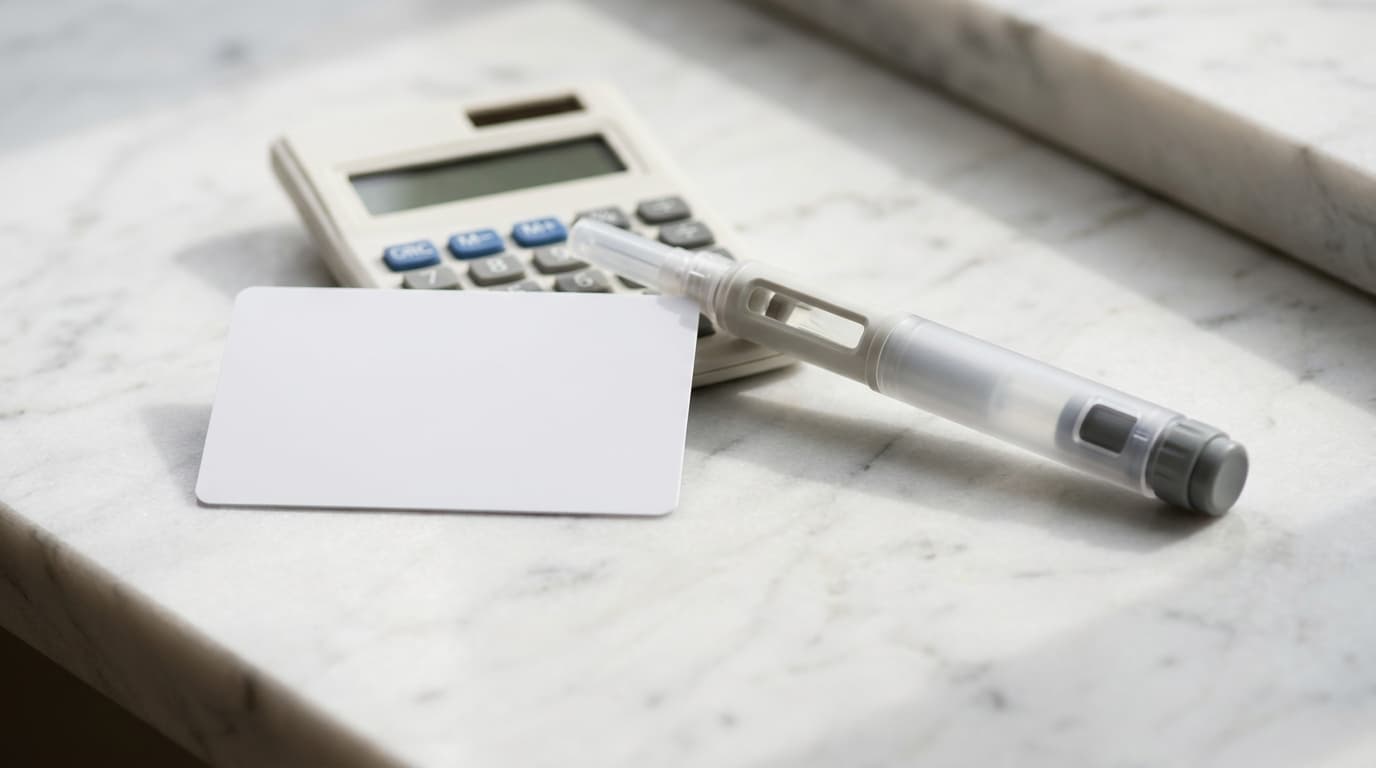
Everything you need to know about the Zepbound savings card in 2026 — eligibility requirements, how much you can save, how to apply, and what to do if you don't qualify.
Zepbound Savings Card: Complete Guide to Eligibility, Discounts, and How to Save in 2026
GLP-1 medications are transforming lives — but they come with a price tag that can feel like its own kind of weight. If you're on Zepbound (tirzepatide) or considering it, the Zepbound Savings Card from Eli Lilly is one of the most significant ways to reduce your out-of-pocket cost. But the eligibility rules aren't always straightforward.
Here's everything you need to know — clearly, honestly, and without the fine-print runaround.
What Is the Zepbound Savings Card?
The Zepbound Savings Card is a manufacturer-sponsored copay assistance program from Eli Lilly. It's designed to reduce what you pay at the pharmacy for Zepbound prescriptions. Depending on your insurance situation, it can bring your monthly cost down to as little as $25 per month.
This isn't insurance. It's a discount program that works alongside your existing coverage — or, in some cases, without it.
How Much Can You Actually Save?
The savings depend on your insurance status:
With commercial insurance:
- Pay as little as $25/month for a 1-month or 3-month supply
- Maximum savings of $563 per 1-month fill or $1,688 per 3-month fill
- Valid for up to 13 fills (roughly 12 months of treatment)
Without insurance (cash-pay):
- Eli Lilly's direct-to-consumer programs through LillyDirect offer Zepbound at $399/month for a single-dose vial
- Some patients can use the savings card in combination with LillyDirect pricing
Important: The savings card does NOT cover the full retail price. If your pharmacy's price exceeds the card's maximum benefit, you'll pay the difference.
Who Qualifies?
This is where it gets specific. You are eligible if:
- You have commercial (private) insurance — this includes employer-sponsored plans, marketplace plans, and individual private insurance
- You have a valid prescription for Zepbound from a licensed prescriber
- You are a US resident, 18 years or older
You are NOT eligible if:
- You have government-funded insurance: Medicare (including Part D), Medicaid, TRICARE, VA benefits, or any state or federal program
- Your insurance plan explicitly excludes copay card benefits (some do)
- You're using the card for a prescription that isn't FDA-approved Zepbound
The government insurance exclusion is the most common barrier. It's not Eli Lilly's choice — federal anti-kickback statutes prohibit manufacturer copay assistance for government-insured patients. This affects millions of people, and it's a systemic problem across all brand-name medications.
How to Get and Use the Card
Step 1: Check eligibility. Visit the official Zepbound savings page at zepbound.lilly.com or call Eli Lilly directly.
Step 2: Enroll. You'll provide basic information — no income verification is required for the standard savings card. You'll receive a digital card with a BIN, PCN, and member ID.
Step 3: Present at pharmacy. Give the savings card information to your pharmacist along with your insurance card. The discount is applied at point of sale.
Step 4: Track your fills. The card has a maximum number of uses (typically 13 fills). Keep count so you know when to reapply or explore other options.
Pro tip: If your pharmacy says the card doesn't work
This happens more often than it should. Common fixes:
- Ask the pharmacist to run the savings card as secondary insurance, not primary
- Verify the BIN and PCN numbers are entered correctly
- Try a different pharmacy — some independent pharmacies have more flexibility with copay cards
- Call the number on the back of the savings card for real-time troubleshooting
What If You Don't Qualify?
If you're on Medicare, Medicaid, or another government plan, you still have options:
Patient Assistance Programs (PAP). Eli Lilly's Lilly Cares Foundation offers free medication to qualifying low-income patients. Income limits typically apply (often 400% of federal poverty level or below).
LillyDirect. Eli Lilly's direct-to-consumer telehealth platform sometimes offers pricing that's competitive with what the savings card provides, especially for cash-pay patients.
Compare medications. Different GLP-1 medications have different pricing structures. Our GLP-1 Cost Calculator can help you compare Zepbound against Ozempic, Wegovy, Mounjaro, and others — including international pricing where available.
Generic alternatives. While generic tirzepatide isn't available yet in the US, generic semaglutide is launching in other countries at dramatically lower prices. The competitive pressure is pushing costs down across the board.
The Bigger Picture: Why Cost Matters for Persistence
Here's the thing that often gets lost in savings card discussions: cost is one of the top reasons people discontinue GLP-1 medications. When your monthly medication cost creates financial stress, it undermines the very habits and routines you're trying to build.
Reducing that burden isn't just about saving money — it's about creating the stability you need to focus on building habits that outlast any prescription.
Key Takeaways
- The Zepbound Savings Card can reduce costs to $25/month for commercially insured patients — a significant reduction from the ~$1,060 list price
- Government insurance (Medicare, Medicaid, TRICARE, VA) disqualifies you from the savings card due to federal anti-kickback laws
- No income verification is required for the standard savings card — if you have commercial insurance, you likely qualify
- If the card doesn't work at your pharmacy, ask them to run it as secondary insurance and verify the BIN/PCN numbers
- If you don't qualify, explore Lilly Cares PAP, LillyDirect pricing, or compare costs across GLP-1 medications with our Cost Calculator
Navigating GLP-1 costs shouldn't require a finance degree. If you want clear, honest guidance on medication management, habit building, and the journey beyond the prescription — see what Gila is building. And for weekly updates on GLP-1 pricing, research, and real-world strategies, join our newsletter.
Sources:
- Eli Lilly. Zepbound Savings Card Terms and Conditions. Updated March 2026.
- Federal Anti-Kickback Statute, 42 U.S.C. § 1320a-7b.
- LillyDirect pricing data, accessed April 2026.
- Gila analysis of GLP-1 medication persistence and cost barriers.
Related Articles

Shopping and Cooking on GLP-1: When the Household Still Eats
You eat a fraction of what you used to; nobody you live with has changed. In a US household panel, grocery spending fell 5.3% within six months. In a 505-person US survey, a quarter agreed they waste more food. The fix is one meal served two sizes - never a separate plate, never a cleared one.
Read more →
GLP-1 and Sleep: What the Labels and the Studies Actually Say
Insomnia is listed as a common side effect on one GLP-1 label — liraglutide, mainly in the first three months — and on none of the weekly medicines. This piece reports what the product information and two small uncontrolled studies show, why none of it proves cause, and the sleep routine you can control and log.
Read more →
Hunger Between Doses: What Is Known, and What Nobody Has Measured
The half-lives are label-established; the day-by-day story is not. We ran 18 literature searches and found no study measuring hunger, food noise or energy across the days between weekly doses. What the labels do and do not say, why people differ, and how to keep a log that shows your own week.
Read more →Ready to start your GLP-1 journey?
Gila helps you build lasting habits, understand your body, and stay on track. Join the pilot for free.
Join the Pilot