How Much Do GLP-1 Medications Cost Without Insurance?

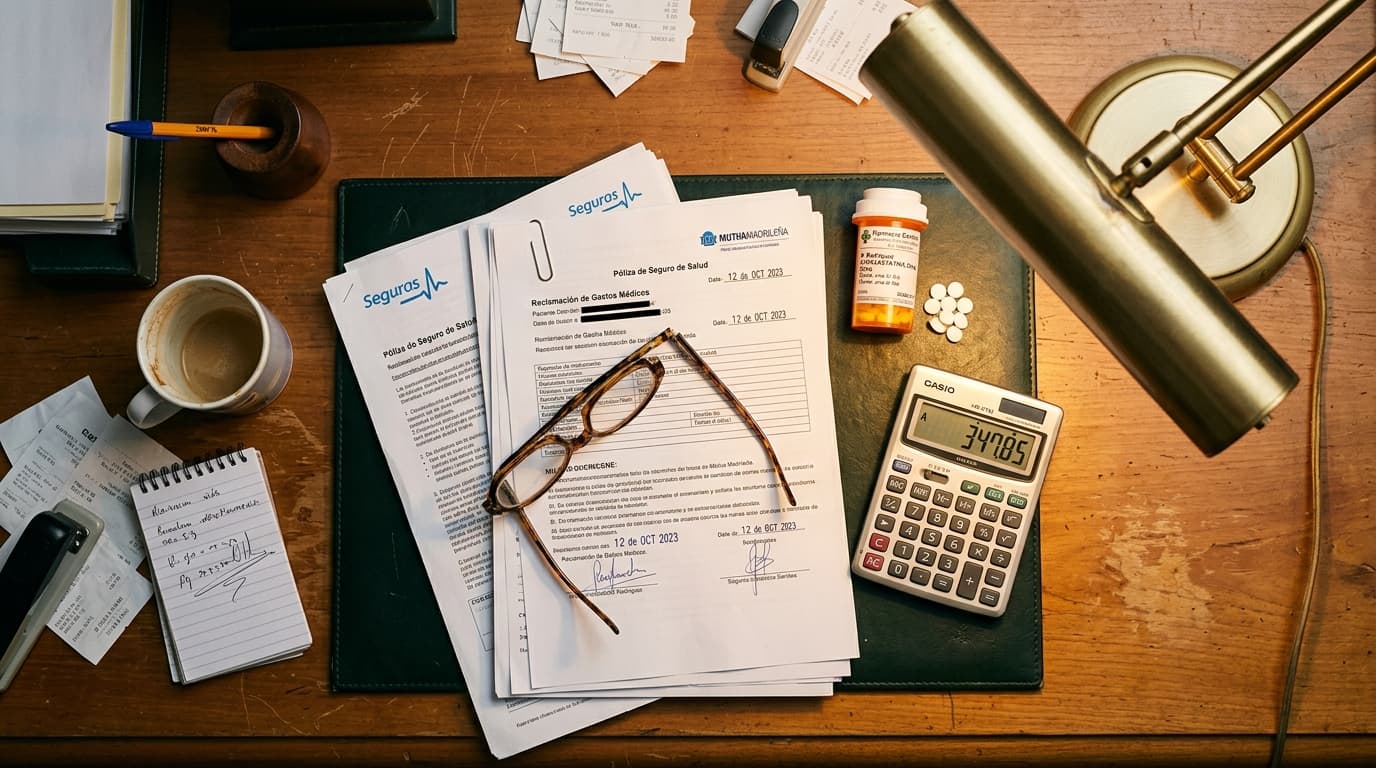
GLP-1 medication cost without insurance: Ozempic, Wegovy, Mounjaro, and Zepbound prices, savings programs, and ways to reduce your monthly cost.
You have done the research. You have talked to your doctor. You are ready to start a GLP-1 medication. And then you see the price. If you felt your stomach drop at the pharmacy counter, you are far from alone. The cost of GLP-1 medications is one of the most significant barriers people face, and for many, it is the reason they stop treatment entirely.
A 2024 analysis published in JAMA found that a substantial share of GLP-1 users discontinued within 12 months, with cost the single most cited reason. That number represents real people making impossible choices between their health and their budget. You deserve to understand the full picture so you can make the most informed decision possible.
Current List Prices (Without Insurance)
These are approximate U.S. retail prices as of early 2026. Prices can vary by pharmacy, location, and dose level:
- Ozempic (semaglutide, diabetes indication): $900 to $1,000 per month
- Wegovy (semaglutide, weight management): $1,300 to $1,350 per month
- Mounjaro (tirzepatide, diabetes indication): $1,000 to $1,200 per month
- Zepbound (tirzepatide, weight management): $1,000 to $1,060 per month
- Saxenda (liraglutide, weight management): $1,300 to $1,500 per month
These prices reflect the manufacturer list price. What you actually pay depends on insurance coverage, pharmacy choice, and available savings programs.
Why Are They So Expensive?
GLP-1 medications are biologic drugs, which are more complex and costly to manufacture than traditional small-molecule pharmaceuticals. The injectable format, cold-chain shipping requirements, and the extensive clinical trial programs (each STEP and SURMOUNT trial cost hundreds of millions of dollars) all contribute to pricing.
There is also the demand factor. With over 6 million Americans estimated to have been prescribed a GLP-1 medication by 2025, according to Truveta Research, the market dynamics are unlike anything pharmacy benefit managers have managed before.
None of this makes the price feel reasonable when you are the one paying it. But understanding the forces at play can help you navigate the system more effectively.
Insurance Coverage: A Mixed Landscape
Coverage varies dramatically based on your plan type and the prescribed indication:
Type 2 diabetes indication: Most commercial insurance plans and Medicare Part D cover Ozempic and Mounjaro when prescribed for diabetes. Copays typically range from $25 to $150 per month with commercial insurance.
Weight management indication: Coverage for Wegovy and Zepbound is less consistent. Many employer-sponsored plans have begun adding coverage, but Medicare does not currently cover anti-obesity medications (though legislation to change this has been introduced). Medicaid coverage varies by state.
If you are unsure about your coverage, call the number on the back of your insurance card and ask specifically about the medication and indication your prescriber has in mind. The answer may differ depending on which medication and which diagnosis code is used.
Manufacturer Savings Programs
Both manufacturers offer savings programs, though terms change frequently:
Novo Nordisk (Ozempic, Wegovy):
- Savings cards for commercially insured patients that can reduce copays
- Patient assistance programs for uninsured or underinsured patients who meet income criteria
- The NovoCare website provides the most current eligibility details
Eli Lilly (Mounjaro, Zepbound):
- Zepbound has been offered through LillyDirect, a direct-to-consumer program with transparent pricing
- Savings cards for commercially insured patients
- Lilly has periodically offered single-dose vials at lower price points
These programs are worth investigating, but they typically exclude patients on government insurance (Medicare, Medicaid, Tricare).
Compounded Alternatives
During periods of FDA-declared drug shortages, compounding pharmacies have been permitted to produce compounded versions of semaglutide and tirzepatide. These versions are significantly less expensive, often $200 to $500 per month.
Important considerations about compounded medications:
- They are not FDA-approved and are not identical to the brand-name product
- Quality can vary between compounding pharmacies
- The FDA has taken legal action to restrict compounding once brand-name supply stabilizes
- Some telehealth platforms pair prescriptions with specific compounding pharmacies
If you are considering a compounded version, discuss it with your healthcare provider. They can help you evaluate the quality and safety of the source.
Other Ways to Reduce Cost
Pharmacy shopping: Prices can vary by $100 or more between pharmacies for the same medication. Tools like GoodRx can show price comparisons, though GLP-1 medications are often excluded from their deepest discounts.
Prior authorization persistence: If your insurance denies coverage, your prescriber can file an appeal. Some denials are overturned with additional clinical documentation. Ask your prescriber's office whether they have experience with prior authorizations for GLP-1 medications.
Clinical trials: Active clinical trials for GLP-1 and related medications sometimes provide the drug at no cost. ClinicalTrials.gov lists currently enrolling studies.
Employer advocacy: If your employer-sponsored plan does not cover weight management medications, consider raising it with your HR department. Employer interest in covering GLP-1s has grown as evidence mounts for reduced downstream healthcare costs.
The Hidden Cost of Not Treating
It is worth acknowledging what the research consistently shows: untreated obesity carries its own costs. A 2021 study in JAMA Network Open estimated that the annual medical cost attributable to obesity in the U.S. was approximately $173 billion. People living with obesity incur medical costs that are, on average, $1,861 higher per year than those of moderate weight.
This is not to pressure you into a medication you cannot afford. It is to affirm that investing in your health, in whatever form that takes, is not a luxury. You deserve access to care that works for your body and your circumstances.
If cost is a factor in your decision to continue or stop GLP-1 treatment, know that you are navigating a systemic problem, not a personal failing. The healthcare system has not yet caught up with the science.
Planning for the Long Term
GLP-1 medications are most effective as long-term treatments. Research from the STEP 1 extension trial showed that most weight was regained within a year of stopping. This makes the financial sustainability of treatment an important part of the conversation with your prescriber.
Some questions worth discussing:
- Is a lower maintenance dose an option after reaching your goals?
- Could switching between medications (based on cost changes or new coverage) be appropriate?
- What behavioral foundations should you build now so that if you need to pause treatment, you have the strongest possible base?
Key Takeaways
- GLP-1 list prices range from $900 to $1,350 per month without insurance, with cost being the top reason many users discontinue
- Insurance coverage varies significantly between diabetes and weight management indications
- Manufacturer savings programs, compounded alternatives, and pharmacy shopping can reduce out-of-pocket costs
- Untreated obesity carries significant medical costs; investing in treatment is not a luxury
- Discuss long-term cost planning with your prescriber, including maintenance dosing and behavioral foundations
Estimate your costs: Use the GLP-1 cost calculator to compare medications and find savings options for your situation.
Stay informed: Join the Gila newsletter for updates on pricing changes, new savings programs, and cost-reduction strategies.
Track your journey: Join the Gila pilot program to build habits that protect your investment, no matter your medication or budget.
Related Articles

Moving Less on GLP-1: The Activity Drop Nobody Warns You About
A 2026 study using Fitbit data found people on GLP-1s moved less, not more — daily steps fell from 5,047 to 4,487. Here's why your body quietly slows down when you eat less, and the gentle way to protect muscle with movement and enough protein.
Read more →
Stopping and Restarting GLP-1 Is Normal — Here's What Holds the Loss
💡 **Your Journey, Your Habits!** New data from ENDO 2026 reveals that stopping and restarting GLP-1 medication is a common chapter for many, not a failure! This isn't about perfection, but about realizing that what truly anchors your weight loss through any pause are the powerful habits you build. So, let's use this window to focus on creating a sustainable foundation that outlasts any prescription!
Read more →
GLP-1 Persistence Statistics 2026: The Start-and-Stop Numbers, Honestly
GLP-1 persistence statistics for 2026, read honestly: how many people stop (about 4 in 10 in year one), how many restart (most of them), why they pause, and the behavior layer that separates regain from kept loss. Every figure linked to a primary source.
Read more →Ready to start your GLP-1 journey?
Gila helps you build lasting habits, understand your body, and stay on track. Join the pilot for free.
Join the Pilot