Managing Constipation on GLP-1 Medications

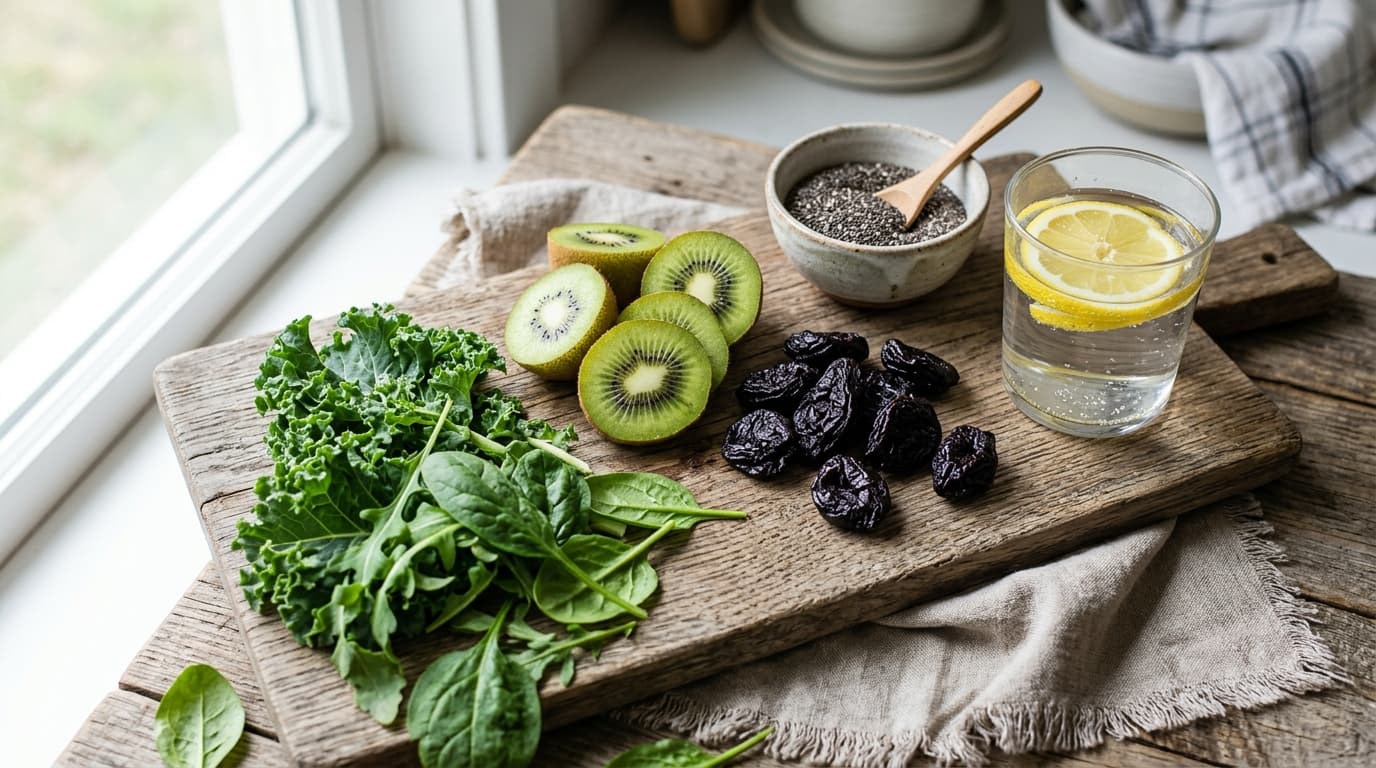
Constipation on Ozempic or Mounjaro? Learn why GLP-1 medications cause constipation, proven remedies that work, and when to talk to your doctor.
Of all the side effects that come with GLP-1 medication, constipation is the one people talk about least and struggle with most. Nausea gets the attention because it is dramatic and immediate. But constipation is the quiet, persistent discomfort that settles in and stays, affecting your energy, your mood, and your willingness to eat the very foods your body needs.
If you are dealing with this right now, you are not alone. In the STEP 1 trial for semaglutide, constipation affected approximately 24% of participants. In the SURMOUNT-1 trial for tirzepatide, rates ranged from 17% to 23% depending on the dose. For many people, it is the side effect that persists long after nausea has faded.
You deserve practical solutions, not vague advice. Here is what is actually happening in your body and what you can do about it.
Why GLP-1 Medications Cause Constipation
GLP-1 receptor agonists work, in part, by slowing gastric emptying. This is the mechanism that reduces appetite and helps you feel satisfied with smaller meals. But the slowdown does not stop at your stomach. The entire gastrointestinal tract can be affected.
When the transit time through your intestines increases, your colon has more time to absorb water from the stool. The result: stool becomes drier, harder, and more difficult to pass. This is a mechanical consequence of how the medication works, not a sign that something is wrong with you.
Additional factors compound the issue:
- Reduced food intake: Less food in means less bulk moving through your system. Stool volume decreases, which can slow motility further.
- Lower fiber intake: When appetite drops, many people eat less of everything, including fiber-rich fruits, vegetables, and whole grains.
- Dehydration: If you are not actively maintaining your water intake, the reduced food cues from the medication can lead to inadequate hydration, which directly hardens stool.
First-Line Remedies That Work
Water, and Then More Water
This is the single most impactful change you can make. Hydration is essential for keeping stool soft enough to pass comfortably. Aim for at least 64 ounces (about 2 liters) daily, and more if you are active, in a warm climate, or experiencing other GI symptoms.
Warm water or warm herbal tea first thing in the morning can help stimulate the gastrocolic reflex, the natural urge to have a bowel movement that your body typically experiences after eating or drinking. If cold water does not feel appealing, warm liquids can be a gentler alternative.
Track your intake for a few days. Many people are surprised to find they are drinking significantly less than they think. Our water intake calculator can help you establish a personalized target.
Fiber: Increase Gradually
Fiber adds bulk to stool and helps it move through the intestines. There are two types, and both matter:
- Soluble fiber (oats, beans, apples, chia seeds) absorbs water and forms a gel-like consistency that softens stool.
- Insoluble fiber (whole wheat, vegetables, nuts) adds bulk and speeds transit time.
The key word is gradually. Adding too much fiber too quickly, especially on a GLP-1 medication that is already slowing your digestion, can make bloating and discomfort worse. Start with an extra serving of vegetables or a tablespoon of chia seeds in water per day and increase slowly over one to two weeks.
The recommended daily fiber intake is 25 to 30 grams. Most Americans consume about 15 grams. Closing that gap gently can make a meaningful difference.
Movement
Physical activity stimulates intestinal motility. Even a 15 to 20-minute walk after meals can help move things along. You do not need intense exercise. Gentle, consistent movement is what matters.
Walking is particularly effective because the vertical posture and the rhythmic motion of walking engage the muscles of the abdominal wall, which support the movement of stool through the colon.
When Lifestyle Changes Are Not Enough
If water, fiber, and movement do not fully resolve your constipation, there are safe, over-the-counter options to discuss with your healthcare provider:
Osmotic laxatives (MiraLAX/polyethylene glycol): These work by drawing water into the intestines to soften stool. They are generally considered safe for regular use and are often the first recommendation from gastroenterologists. They typically take 12 to 72 hours to work.
Stool softeners (docusate sodium): These make stool easier to pass by adding moisture. They are mild and well-tolerated but may not be sufficient for significant constipation.
Magnesium citrate: A gentle osmotic agent that many people find effective. As a supplement, magnesium citrate (200 to 400mg at bedtime) can support regular bowel movements and may also help with sleep and muscle relaxation.
Psyllium husk (Metamucil): A soluble fiber supplement that can be an easy way to increase fiber intake when eating enough whole foods feels difficult. Start with a half dose and increase gradually.
Stimulant laxatives (senna, bisacodyl): These stimulate the colon to contract. They are effective but are generally recommended for short-term or occasional use, not as a daily solution. Your provider can advise.
Positioning and Timing
Two simple, evidence-supported techniques that cost nothing:
The squatty potty position: Elevating your feet on a small stool while sitting on the toilet straightens the anorectal angle, making it easier for stool to pass. A 2019 study in the Journal of Clinical Gastroenterology found that this position reduced straining and improved bowel emptying in people with constipation.
Establish a routine: Your colon is most active in the morning, particularly after waking and after eating or drinking. Setting aside unhurried time in the morning for a bowel movement, without forcing it, can help retrain your body's natural rhythms.
Foods That Help
When your appetite is limited, choosing foods that serve double duty (nutrition and motility) is strategic:
- Prunes or prune juice: Contain sorbitol, a natural osmotic agent, plus fiber. Three to four prunes daily have been shown to be as effective as psyllium in some studies.
- Kiwifruit: Two green kiwis daily increased bowel movement frequency in a 2023 American Journal of Gastroenterology study.
- Ground flaxseed: A tablespoon in yogurt or a smoothie adds both fiber and omega-3 fatty acids.
- Fermented foods: Yogurt with live cultures, kefir, and sauerkraut support gut microbiome health, which influences motility.
For more guidance on eating well with a reduced appetite, our nutrition guide for GLP-1 users covers protein-first strategies and practical meal ideas.
When to See Your Doctor
Constipation on GLP-1 medication is common and usually manageable. But contact your healthcare provider if you experience:
- No bowel movement for more than three days despite trying remedies
- Severe abdominal pain or bloating
- Blood in your stool
- Vomiting along with constipation (which could indicate a more serious obstruction)
- Constipation that is significantly impacting your quality of life or willingness to continue medication
Your prescriber may adjust your dose, recommend a specific laxative regimen, or refer you to a gastroenterologist for evaluation. Do not suffer in silence. This is a manageable side effect that deserves attention.
This Is Solvable
Constipation on GLP-1 medication is uncomfortable and frustrating, but it is not something you have to simply endure. The combination of adequate hydration, gradual fiber increase, gentle movement, and, when needed, over-the-counter support can make a real difference for most people.
Be patient with the process. Your digestive system is recalibrating, and finding the right combination of strategies may take a few weeks of experimentation. Track what works. Adjust what does not. And remember that asking for help, whether from your prescriber or from the community around you, is a sign of wisdom, not weakness.
Key Takeaways
- Constipation affects up to 24% of GLP-1 users because the medication slows the entire GI tract, giving the colon more time to absorb water from stool
- Hydration is the single most impactful intervention: aim for at least 64 ounces daily and consider warm liquids in the morning
- Increase fiber gradually (not all at once) through whole foods like prunes, kiwi, chia seeds, and flaxseed
- Over-the-counter options like MiraLAX, magnesium citrate, and psyllium husk are safe first-line supports
- Contact your doctor if you have no bowel movement for three-plus days, severe pain, or blood in your stool
Find your hydration target: Use the water intake calculator to determine how much water your body needs daily.
Stay informed: Join the Gila newsletter for practical, evidence-based tips on managing life on GLP-1 medication.
Track your journey: Join the Gila pilot program to log symptoms, meals, and hydration so you can find patterns and share them with your provider.
Related Articles

Stopping and Restarting GLP-1 Is Normal — Here's What Holds the Loss
💡 **Your Journey, Your Habits!** New data from ENDO 2026 reveals that stopping and restarting GLP-1 medication is a common chapter for many, not a failure! This isn't about perfection, but about realizing that what truly anchors your weight loss through any pause are the powerful habits you build. So, let's use this window to focus on creating a sustainable foundation that outlasts any prescription!
Read more →
Moving Less on GLP-1: The Activity Drop Nobody Warns You About
A 2026 study using Fitbit data found people on GLP-1s moved less, not more — daily steps fell from 5,047 to 4,487. Here's why your body quietly slows down when you eat less, and the gentle way to protect muscle with movement and enough protein.
Read more →
GLP-1 Persistence Statistics 2026: The Start-and-Stop Numbers, Honestly
GLP-1 persistence statistics for 2026, read honestly: how many people stop (about 4 in 10 in year one), how many restart (most of them), why they pause, and the behavior layer that separates regain from kept loss. Every figure linked to a primary source.
Read more →Ready to start your GLP-1 journey?
Gila helps you build lasting habits, understand your body, and stay on track. Join the pilot for free.
Join the Pilot