Alcohol and GLP-1 Medications: What to Know

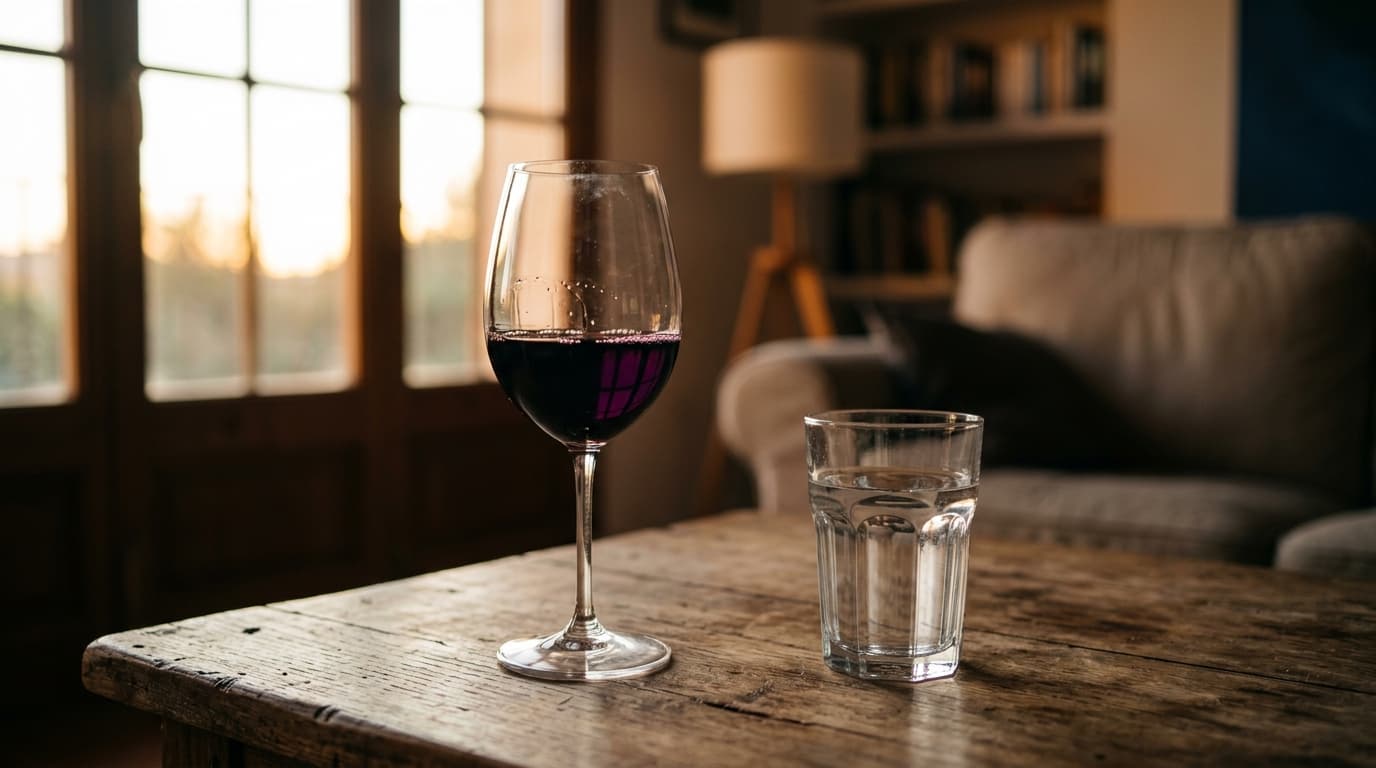
Drinking on Ozempic or Mounjaro? Learn how GLP-1 medications change alcohol tolerance, why many people drink less, and practical guidelines for your safety.
Maybe you have already noticed it. A glass of wine that used to be the pleasant start to an evening now feels like enough. Or the beer you would have reached for without thinking just does not appeal the way it used to. Or, more unsettling, the one drink you did have hit harder than expected.
If your relationship with alcohol has shifted since starting a GLP-1 medication, you are experiencing something that is increasingly well-documented and still not fully understood. Here is what we know, what we do not, and how to navigate it thoughtfully.
How GLP-1s Change Alcohol's Effects
GLP-1 receptor agonists like semaglutide and tirzepatide do not interact with alcohol in the way a traditional drug-alcohol interaction works. There is no chemical conflict. But the medication changes your body in ways that affect how alcohol feels and how your body processes it.
Slowed gastric emptying: GLP-1 medications significantly slow the rate at which your stomach empties into your small intestine. This means alcohol may stay in your stomach longer, potentially leading to a more intense initial effect when it does absorb, or a delayed onset that can catch you off guard.
Reduced food buffer: Many people on GLP-1 medications eat less. When you drink alcohol on a less-full stomach, absorption is faster and the effects are more pronounced. This is basic pharmacology, but it surprises people who are accustomed to their pre-medication tolerance.
Blood sugar effects: Both GLP-1 medications and alcohol independently affect blood sugar. Alcohol can cause hypoglycemia, particularly when combined with medications that enhance insulin secretion. While this is more relevant for people with diabetes, anyone on a GLP-1 should be aware that drinking on an empty stomach can amplify blood sugar drops.
The Unexpected: Reduced Desire to Drink
One of the most intriguing findings in GLP-1 research has nothing to do with weight loss. A growing body of evidence suggests that GLP-1 receptor agonists may reduce the desire to consume alcohol.
A 2023 study published in JCI Insight found that semaglutide reduced alcohol intake in rodent models by acting on reward pathways in the brain, the same pathways involved in food reward. Human observational data has echoed this. A 2023 survey-based study in Scientific Reports found that people taking semaglutide reported a significant decrease in alcohol consumption and cravings.
Clinical trials specifically studying semaglutide for alcohol use disorder are currently underway, with early results expected in the coming years. If confirmed, this could represent a significant secondary benefit of GLP-1 therapy.
If you have noticed that you simply want to drink less, that is not unusual. Many people on GLP-1 medications describe a quiet shift: alcohol just stops being interesting. Not through effort or self-denial, but through a genuine change in how it registers.
Liver Considerations
Your liver processes both alcohol and the metabolic changes driven by GLP-1 medication. While GLP-1 receptor agonists have actually shown promise in improving liver health (a 2024 study in the New England Journal of Medicine found that semaglutide improved fibrosis in patients with metabolic dysfunction-associated steatohepatitis, or MASH), adding alcohol to the equation introduces a competing demand.
Alcohol is metabolized primarily by the liver, and regular consumption can cause inflammation, fat accumulation, and over time, damage. If you have any pre-existing liver concerns, or if your prescriber has mentioned fatty liver as part of your health profile, minimizing alcohol is worth a conversation.
This is not about rigid rules. It is about understanding that your liver is doing important work right now and treating it with care.
Practical Guidelines
There are no official guidelines from Novo Nordisk or Eli Lilly specifically addressing alcohol consumption on GLP-1 medications. The prescribing information for both semaglutide and tirzepatide does not prohibit alcohol. But practical wisdom, drawn from prescribers and patients, offers useful guidance:
- Start slow. Your tolerance has likely changed. If you choose to drink, start with less than you think you want and see how it affects you.
- Never drink on an empty stomach. Eat a protein-containing meal or snack before any alcohol. This is important for everyone but especially so when your appetite is suppressed and meals are smaller.
- Hydrate deliberately. Alternate each alcoholic drink with a full glass of water. GLP-1 medications already increase the importance of hydration, and alcohol is a diuretic that compounds the risk of dehydration.
- Watch for nausea. Alcohol can trigger or worsen the nausea that some people experience on GLP-1 medications, particularly in the first few months. If nausea is already a challenge, our guide to managing GLP-1 nausea may help before you add alcohol to the mix.
- Be mindful of timing. Some people find that drinking within 24-48 hours of their injection, when medication levels are highest, amplifies both GI discomfort and the intoxicating effects of alcohol.
- Skip the sugary cocktails. Mixed drinks with high sugar content can cause more pronounced blood sugar swings when combined with GLP-1 medications.
The Emotional Landscape
For some people, the reduced desire to drink is uncomplicated. For others, it opens a door to more complex questions. If alcohol was part of your social identity, your stress relief, your nightly routine, or your way of connecting with friends, losing interest in it can feel disorienting.
You might feel out of place at social gatherings. You might miss the ritual more than the drink itself. You might discover emotions that alcohol was smoothing over, a experience that parallels the emotional changes many people navigate on GLP-1 medication.
These feelings are worth paying attention to. They are not problems to solve. They are signals that your relationship with something is changing, and change, even positive change, often comes with a period of adjustment.
When to Talk to Your Doctor
You should reach out to your prescriber if:
- You experience significant nausea or vomiting after even small amounts of alcohol
- You notice signs of low blood sugar after drinking (shakiness, confusion, sweating)
- You have a history of alcohol use disorder and are noticing changes in cravings, in either direction
- You have been diagnosed with fatty liver or any liver condition
- You feel that your relationship with alcohol is shifting in ways that concern you
This Is Your Journey to Navigate
How you relate to alcohol on GLP-1 medication is personal. There is no single right answer. Some people continue to enjoy an occasional drink and find it perfectly manageable. Others discover that the medication has given them an unexpected gift: freedom from a habit they did not realize was weighing on them.
Whatever you experience, approach it with the same gentleness you would bring to any other part of this journey. Observe. Adjust. Be honest with yourself and your healthcare provider. And know that whatever you discover about yourself in this process is information worth having.
Key Takeaways
- GLP-1 medications change how alcohol feels by slowing gastric emptying and reducing the food buffer that moderates absorption
- Emerging research suggests semaglutide may reduce alcohol cravings by acting on the brain's reward pathways
- Eating before drinking, hydrating deliberately, and starting with less than your pre-medication tolerance are practical safety steps
- Reduced interest in alcohol is commonly reported and may be a secondary benefit of GLP-1 therapy
- If alcohol was part of your emotional coping or social routine, the shift may bring up feelings worth exploring
Stay hydrated: Use the water intake calculator to find your daily target, especially on days when you choose to drink.
Stay informed: Join the Gila newsletter for evidence-based guidance on the practical realities of life on GLP-1 medication.
Track your journey: Join the Gila pilot program to log your experiences and notice patterns in how your body responds.
Related Articles

Stopping and Restarting GLP-1 Is Normal — Here's What Holds the Loss
💡 **Your Journey, Your Habits!** New data from ENDO 2026 reveals that stopping and restarting GLP-1 medication is a common chapter for many, not a failure! This isn't about perfection, but about realizing that what truly anchors your weight loss through any pause are the powerful habits you build. So, let's use this window to focus on creating a sustainable foundation that outlasts any prescription!
Read more →
Moving Less on GLP-1: The Activity Drop Nobody Warns You About
A 2026 study using Fitbit data found people on GLP-1s moved less, not more — daily steps fell from 5,047 to 4,487. Here's why your body quietly slows down when you eat less, and the gentle way to protect muscle with movement and enough protein.
Read more →
GLP-1 Persistence Statistics 2026: The Start-and-Stop Numbers, Honestly
GLP-1 persistence statistics for 2026, read honestly: how many people stop (about 4 in 10 in year one), how many restart (most of them), why they pause, and the behavior layer that separates regain from kept loss. Every figure linked to a primary source.
Read more →Ready to start your GLP-1 journey?
Gila helps you build lasting habits, understand your body, and stay on track. Join the pilot for free.
Join the Pilot