The Things a Tracker Can't Measure


On a GLP-1, your hunger and fullness signals are changing, which makes relearning to listen to your own body a quiet superpower. This piece reframes the scale and trackers as companions, not verdicts, and names the non-scale victories data can't see.
There's a moment many people describe a few weeks into a GLP-1 journey. They look down at the scale, or open an app full of neat little rings and graphs, and feel a strange gap — the numbers say one thing, but their body is quietly telling a different, bigger story. Psychology Today captured this beautifully in a piece called The Things a Tracker Can't Measure. The premise is simple and worth sitting with: the data you collect about yourself is real and useful, but it was never the whole of you.
On a GLP-1, that gap matters more than usual. Because something is genuinely shifting underneath the numbers — and learning to feel it again may be the most valuable skill you build this year.
TL;DR: Trackers and the scale give you insight, but they can drown out your body's own signals. On a GLP-1, your hunger and fullness cues are changing — so relearning to listen is a quiet superpower. Treat data as a companion, not a verdict, and notice the wins it can't see.
Key Takeaways
- The scale is one data point, not the story of your progress.
- On a GLP-1, your hunger, fullness, and energy signals are genuinely changing — which makes interoception (reading your own body) a skill worth rebuilding.
- Obsessive tracking can quietly pull you away from the body wisdom it was meant to support.
- Non-scale victories — easier stairs, calmer evenings, a quieter mind — are real progress even when no metric moves.
- Data works best as a companion that helps you notice patterns, not a judge that hands down a verdict.
The number is a sentence, not the whole book
A weight on a scale is a single sentence pulled from a very long book. It can't tell you that you slept deeply for the first time in months, that your knees stopped aching on the stairs, or that you walked past the kitchen at 9 p.m. and simply didn't think about it. It can't measure the relief of an evening where food wasn't running the show.
When the scale becomes the only sentence you read, two things tend to happen. A flat number on a good week can flatten your mood with it. And a body doing genuinely beautiful work — holding muscle, steadying energy, settling appetite — can feel like it's failing, just because the one metric you're watching hasn't moved today. The number isn't lying. It's just badly equipped to carry the whole story alone.
What's actually changing on a GLP-1
Here's what makes this especially relevant if you're on a GLP-1. These medications work, in part, by turning down food noise — the background hum of cravings and intrusive food thoughts that used to fill so much mental space. For a lot of people, that hum goes quiet for the first time in years.
That quiet is a gift, and also a small disorientation. The signals you used to navigate by — I'm starving, I'm stuffed, I could eat just because it's there — are arriving differently now. Fullness can show up earlier and softer. Hunger can feel less like an alarm and more like a gentle note. If you spent years overriding those cues, or drowning them out, you may notice you're a little out of practice at hearing them at all.
This is where the language of interoception comes in — the science word for sensing what's happening inside your own body. It isn't mystical; it's a skill, and like any skill it comes back with attention and practice. A GLP-1 hands you an unusually clear channel to relearn on, because the noise that used to jam the signal has been turned down. The opportunity isn't to track harder. It's to listen better.
When the tracker starts talking over your body
Trackers are genuinely useful. Seeing your protein add up, watching a dose-timing pattern emerge, noticing your energy dip on the same day each week — these are real insights, and we built much of Gila around surfacing them honestly.
But there's a tipping point the Psychology Today piece names well: the moment the tool starts talking over the very thing it was meant to help you hear. You finish a meal, feel a calm, settled enough — and then check whether the app agrees before you trust it. You feel fine, but the ring isn't closed, so you decide you're not. Little by little, the authority moves from your body to your screen.
That's worth catching early, gently, with no shame attached. The fix isn't to abandon your data — it's to keep it in its proper seat. Your body gets the first word. The tracker gets to add useful context. Not the other way around.
Naming the victories that don't weigh anything
The winning move is to widen what you let yourself count as progress. The community has a lovely shorthand for this — the non-scale victory, the NSV. It's the register of someone who's genuinely proud, not someone keeping a deficit.
So name them. The jeans that button without a fight. A flight of stairs that doesn't leave you winded. An afternoon where food simply wasn't the loudest thing in your head. Steadier moods, deeper sleep, more patience with the people you love. None of these will ever show up on a scale, and every one of them is the journey actually working. When you write these down — in a journal, a note, anywhere you'll see them — you build a record of progress that a plateau can't erase. The scale measures one thing. Your life is measuring all the rest.
How to let data be a companion, not a judge
From a coaching lens, the difference between data that lifts you and data that grinds you down is almost never the number — it's the question you bring to it. A judge asks, Did I pass or fail today? A companion asks, What is this trying to show me?
So when you open the scale or a trend line, try trading the verdict for a pattern. Not "I'm up half a pound, I blew it," but "my weight always nudges up the day before my dose — good to know, that's the rhythm, not a failure." Curiosity keeps you in the chair. Judgment makes you want to close the app and look away. And the people who keep their results long-term are almost always the ones who learned to read their own patterns calmly — the skill behind habits that outlast the prescription, the structure that holds even after the medication's window changes.
If you're not sure where to begin, our habit-readiness assessment is a soft place to start — it meets you at your stage instead of handing you a generic plan.
What this means for your journey
You are not a number on a scale, and you were never a row of closed rings. You're a person whose body is, right now, quietly relearning how to speak to you — clearer than it's been able to in a long time. The trackers can stay. Let them be the companion that points out a pattern, asks a good question, and then gets out of the way so you can feel the answer yourself.
The medication can quiet the noise. What you do with that quiet — how you learn to listen, what you choose to count, who you become in the space it opens — is the part no tracker will ever measure. And it's the part that's truly yours.
If pieces like this help, we send one quiet, useful note a week — join the Gila newsletter.
— Sezen, founder & coach at Gila (ICF ACC)
Related Articles

Moving Less on GLP-1: The Activity Drop Nobody Warns You About
A 2026 study using Fitbit data found people on GLP-1s moved less, not more — daily steps fell from 5,047 to 4,487. Here's why your body quietly slows down when you eat less, and the gentle way to protect muscle with movement and enough protein.
Read more →
Stopping and Restarting GLP-1 Is Normal — Here's What Holds the Loss
💡 **Your Journey, Your Habits!** New data from ENDO 2026 reveals that stopping and restarting GLP-1 medication is a common chapter for many, not a failure! This isn't about perfection, but about realizing that what truly anchors your weight loss through any pause are the powerful habits you build. So, let's use this window to focus on creating a sustainable foundation that outlasts any prescription!
Read more →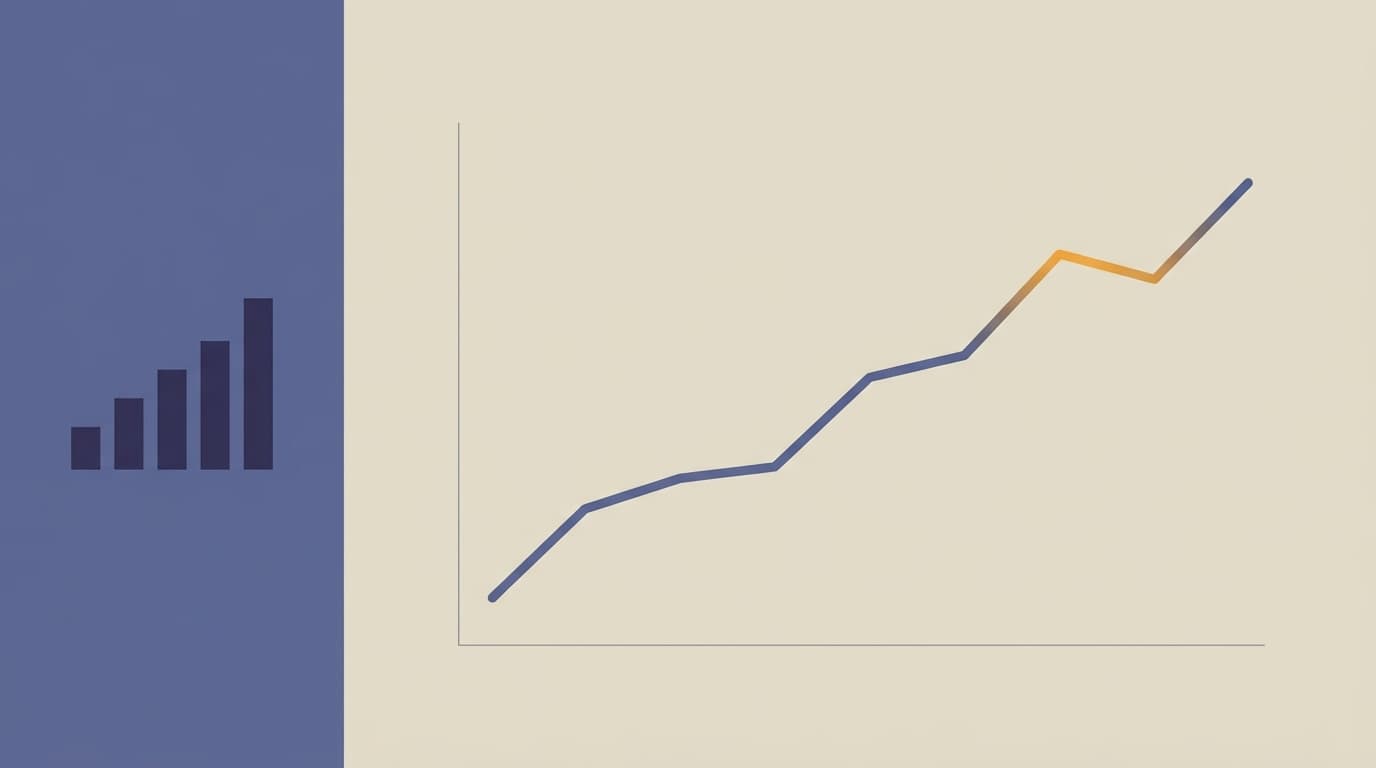
GLP-1 Persistence Statistics 2026: The Start-and-Stop Numbers, Honestly
GLP-1 persistence statistics for 2026, read honestly: how many people stop (about 4 in 10 in year one), how many restart (most of them), why they pause, and the behavior layer that separates regain from kept loss. Every figure linked to a primary source.
Read more →Ready to start your GLP-1 journey?
Gila helps you build lasting habits, understand your body, and stay on track. Join the pilot for free.
Join the Pilot