GLP-1s Are Tools, Not Solutions: Building What Lasts

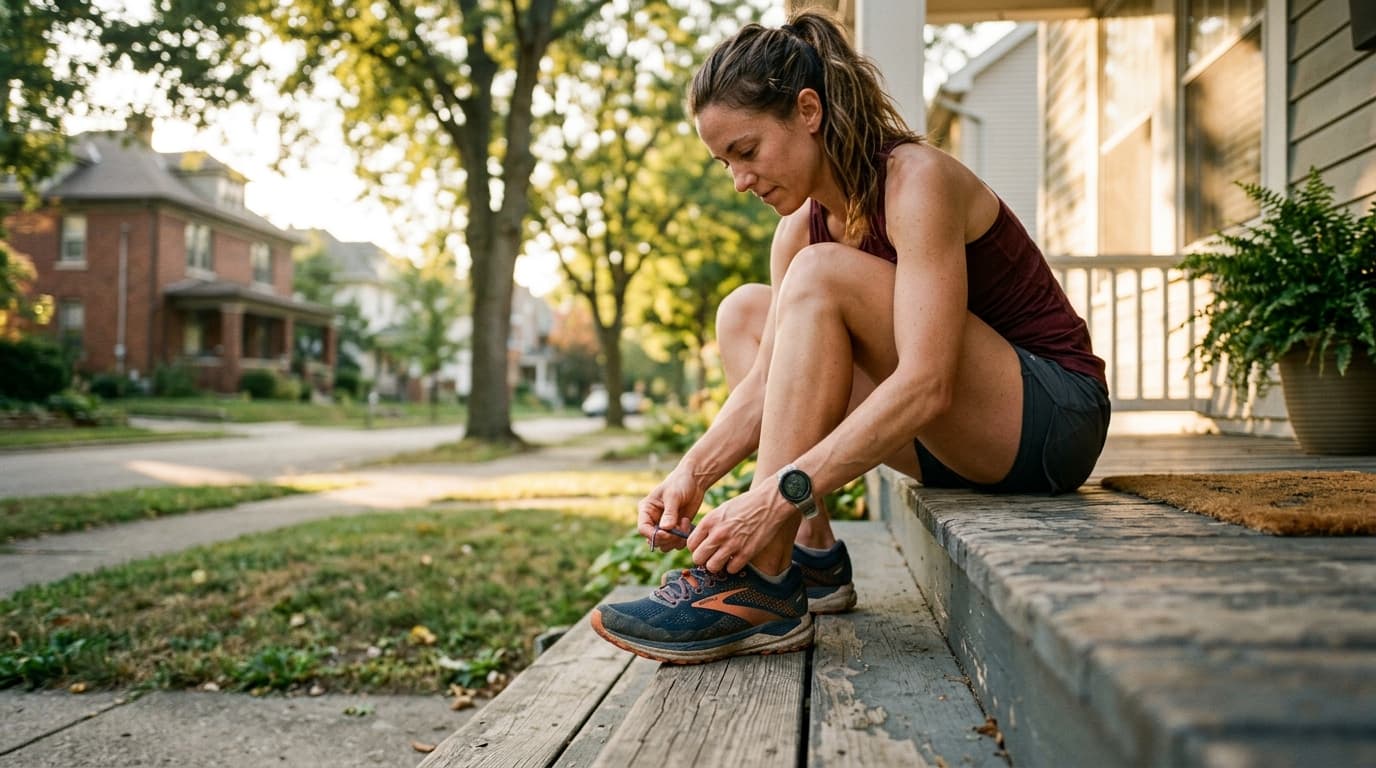
❤️ **Build to Last:** This Gila article powerfully reminds us that GLP-1s are an incredible window of opportunity, not a permanent solution. Let's use this precious time to intentionally build lasting habits and a strong identity as someone who prioritizes their health, because *what* you build now is what truly persists beyond the medication.
In March 2026, England's Chief Medical Officer Chris Whitty stood before an audience in London and said what many people on GLP-1 medications already sense: "Just relying on the drugs seems to me the wrong answer." He was speaking about population-level policy, but his words resonate at a deeply personal level too.
Whitty was not dismissing the medications. He called GLP-1 agonists "very good drugs." But he was naming a tension that anyone on this journey eventually confronts: what happens when the prescription ends, the dose stabilizes, or the novelty fades? What, exactly, have you built?
This is not a question designed to create anxiety. It is an invitation to think about the extraordinary opportunity these medications create and what you can do with it.
The Window of Opportunity
GLP-1 medications do something remarkable. They quiet food noise, reduce appetite, and slow the constant negotiation between you and food that may have consumed years of your mental energy. For many people, this is the first time they can think about food without it dominating their thoughts.
That cognitive space is the real gift. Not the number on the scale, but the bandwidth that opens up when your brain is no longer running a background process about what to eat, when to eat, and how to feel about what you ate.
But here is what the data tells us about that space: it may not last indefinitely. A study published in JAMA (2024) found that a substantial share of patients discontinued GLP-1 medications within 12 months. Reasons varied: cost, side effects, supply issues, personal choice. And for most who stopped, the biological drivers of appetite returned.
The STEP 1 extension trial, published in Diabetes, Obesity and Metabolism (2022), showed that participants who discontinued semaglutide regained approximately two-thirds of their lost weight within a year. The appetite suppression, the food noise reduction, the metabolic support, these are medication-dependent for most people.
None of this is said to discourage you. It is said to clarify the stakes: the window your medication opens is genuinely valuable, and what you build inside it determines whether the benefits extend beyond the prescription.
What Chris Whitty Got Right
Whitty's concern was that society might default to a pattern of allowing unhealthy environments to persist and then medicating the consequences. "Does anyone believe the correct answer is to allow obesity to rise because of pretty aggressive marketing of obesogenic foods to children and then stick them on GLP-1 agonists at the age of 18?" he asked. "I do not think this is a socially acceptable answer."
Translated to an individual level, the parallel is this: your GLP-1 medication is not responsible for building your future. You are. The medication is the scaffolding. The structure you build inside it, the daily habits, the identity shifts, the patterns of self-care, that is what stands when the scaffolding comes down.
This is not about blame or responsibility in a moralistic sense. It is about agency. You have more capacity to shape your trajectory right now, while the medication is supporting you, than you may have at any other point. That is worth taking seriously.
Identity Before Behavior
Most approaches to lasting change focus on behavior: eat this, exercise that, track the other thing. But research in health psychology suggests that identity precedes sustainable behavior.
A 2021 study in the British Journal of Health Psychology found that people who identified with healthy behaviors ("I am a person who moves their body daily") were significantly more likely to maintain those behaviors under stress than people who framed the same actions as goals ("I am trying to exercise more").
The distinction matters because goals have endpoints. Identities persist. When you stop trying to lose weight and start being a person who takes care of their body, the motivation shifts from external (the scale, the dose) to internal (this is who I am).
Your GLP-1 medication is giving you a rare opportunity to practice being that person with less resistance than you have ever experienced. The food noise is quieter. The cravings are manageable. The mental bandwidth is available. Use it to rehearse the identity you want to keep.
Habits That Outlast the Prescription
Not all habits are equally durable. The ones most likely to persist after medication are those that become part of your identity rather than something you do because you are on medication. Here are patterns that research and lived experience suggest are worth building now.
Movement as a Daily Practice
Not exercise as punishment or obligation, but movement as something your body does because it feels like who you are. A daily walk, a stretching routine, a strength session three times a week. The form matters less than the consistency and the framing. "I am someone who moves" is more durable than "I am doing 10,000 steps because my app told me to."
Protein-First Eating
This is one of the most practical habits to cement while your appetite is reduced. Eating protein first at every meal protects muscle mass, supports satiety, and creates a pattern that serves you regardless of medication status. Over time, it stops being a strategy and becomes simply how you eat.
Awareness Without Judgment
The quiet that GLP-1s create in your relationship with food is an ideal environment for building self-awareness. Notice when you eat out of habit versus hunger. Observe which foods make you feel energized versus sluggish. Track these observations without scoring yourself. Awareness built during this window becomes a compass you can use long after.
Sleep as Non-Negotiable
A 2022 study in JAMA Internal Medicine found that extending sleep by just 1.2 hours per night reduced daily caloric intake by approximately 270 calories, without any dietary intervention. Sleep is the most underrated habit in weight management, and building a consistent sleep routine now pays dividends that compound over years. You can read more about habits that endure beyond medication in our guide to building lasting GLP-1 habits.
What Persists After the Prescription Ends
If the biology reverts when medication stops, what actually persists? The research on sustained weight management, not just on GLP-1s, suggests three things carry forward:
- Skills. Knowing how to cook protein-rich meals, read a nutrition label, structure a day around movement. These are capabilities, not feelings. They do not fade when a prescription does.
- Identity. If you have spent months being a person who cares for their body, that self-concept has inertia. It does not vanish overnight. It becomes a reference point you return to even when appetite signals get louder.
- Community. Relationships built around shared growth, whether with a support group, a companion app, or a partner on a similar path, create accountability and belonging that persist independent of any medication.
The data on weight regain after stopping GLP-1 medication is sobering, and it is not destiny. The people in those studies were not all building the same things during their time on medication. Your trajectory is shaped by what you do with the window, not just whether the window stays open.
Using Gila's Tools to Build During the Window
This is what Gila was built for: not to track your medication, but to help you build the habits and identity that outlast it. The food noise assessment gives you a baseline so you can measure the quiet your medication creates and notice if it shifts. The habit tracking helps you see your patterns over weeks and months, building evidence for the identity you are constructing.
Key Takeaways
- GLP-1 medications create a window of reduced food noise and appetite, but the biological effects are largely medication-dependent.
- What you build during that window, the habits, the identity, the skills, is what persists after the prescription.
- Identity-based change ("I am someone who...") is more durable than goal-based change ("I am trying to...").
- The most transferable habits are daily movement, protein-first eating, self-awareness without judgment, and consistent sleep.
- Community and support systems provide accountability that does not depend on a medication.
The Deeper Question
Whitty was right that drugs alone are not the answer. But he was speaking to policymakers. You are not a policy. You are a person in the middle of a journey, with a tool in your hand and a window open in front of you.
The question is not whether GLP-1 medications work. They do. The question is what you build while they are working. Our newsletter shares weekly perspectives on exactly that, and Gila walks with you while you build.
Related Articles

Moving Less on GLP-1: The Activity Drop Nobody Warns You About
A 2026 study using Fitbit data found people on GLP-1s moved less, not more — daily steps fell from 5,047 to 4,487. Here's why your body quietly slows down when you eat less, and the gentle way to protect muscle with movement and enough protein.
Read more →
Stopping and Restarting GLP-1 Is Normal — Here's What Holds the Loss
💡 **Your Journey, Your Habits!** New data from ENDO 2026 reveals that stopping and restarting GLP-1 medication is a common chapter for many, not a failure! This isn't about perfection, but about realizing that what truly anchors your weight loss through any pause are the powerful habits you build. So, let's use this window to focus on creating a sustainable foundation that outlasts any prescription!
Read more →
GLP-1 Persistence Statistics 2026: The Start-and-Stop Numbers, Honestly
GLP-1 persistence statistics for 2026, read honestly: how many people stop (about 4 in 10 in year one), how many restart (most of them), why they pause, and the behavior layer that separates regain from kept loss. Every figure linked to a primary source.
Read more →Ready to start your GLP-1 journey?
Gila helps you build lasting habits, understand your body, and stay on track. Join the pilot for free.
Join the Pilot