Cells in the body remember obesity. Here’s what that means for weight loss
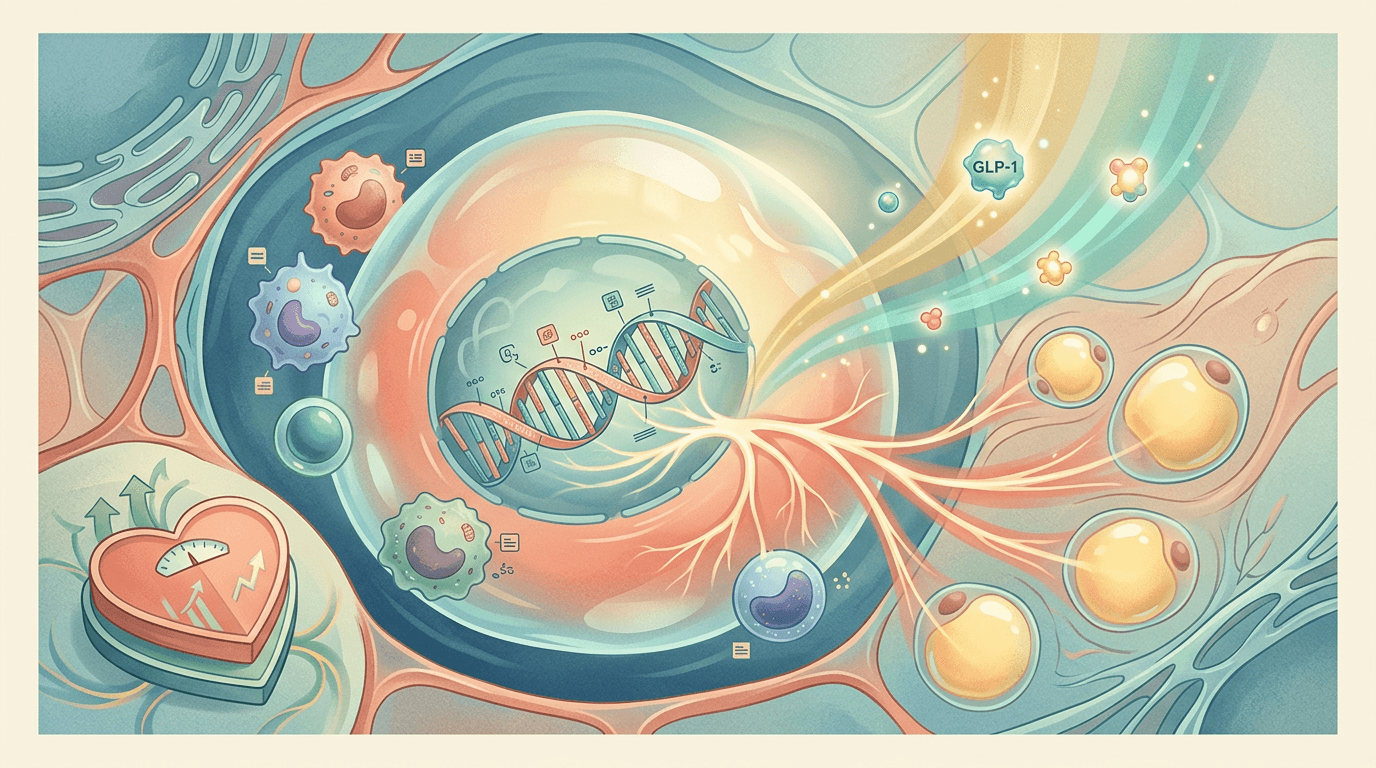
❤️ **Your Cells Have a Memory!** Fascinating research from Scientific American reveals that our fat and immune cells can actually "remember" obesity, leaving epigenetic imprints that make weight regain super challenging. This helps us understand why weight loss maintenance is a battle, but also lights the way for new strategies and ongoing research to make *your* lasting success a reality!
Related Articles

Weight-loss drugs alone will not solve UK’s obesity crisis, says Chris Whitty
❤️ **Beyond the Rx:** The UK's Chief Medical Adviser, Chris Whitty, offers a critical perspective, reminding us that while GLP-1 medications are powerful tools, they're not a standalone solution for the obesity crisis. This emphasizes that lasting success on our journey integrates these incredible tools with essential lifestyle changes and a commitment to creating healthier food environments for long-term well-being!
Read more →
Weight-loss jab could be made for $3 a month, study finds
🌍 **Cost Revolution Ahead!** A groundbreaking study reveals that semaglutide, the powerful ingredient in Ozempic and Wegovy, could potentially be manufactured for just $3 a month as global patents expire! This fantastic news means these life-changing medications could soon become vastly more affordable and accessible to millions around the world, opening doors to better health and supporting our global community in the fight against obesity and diabetes.
Read more →
Weight loss drugs may stop people getting addicted to drugs and alcohol, study finds
✨ **Beyond Weight Loss:** Incredible new research suggests GLP-1 medications could offer an exciting additional benefit: potentially reducing the risk of addiction to alcohol and drugs! This glimpse into how these medicines influence our brain's reward pathways is truly groundbreaking. It highlights the expanding positive impact these tools might have on our overall wellness journey as more is understood.
Read more →Ready to start your GLP-1 journey?
Gila helps you build lasting habits, understand your body, and stay on track. Join the pilot for free.
Join the Pilot